If you’re tired of the daily hassle of glasses and contacts, imagine waking up to clear your vision every day. This isn’t just wishful thinking—it’s a real possibility with LASIK eye surgery. This blog is your guide to understanding how this popular procedure can change the way you see the world.
LASIK, or Laser-Assisted In Situ Keratomileusis, is a quick and straightforward surgery designed to correct your vision, potentially letting you ditch those glasses or contact lenses for good. Whether you’re nearsighted, farsighted, or have astigmatism, LASIK might be the solution you’ve been looking for.
So, if you have any questions about LASIK, let’s dive in and get answers about this life-changing procedure!
Questions About LASIK Surgery
What Eye Conditions Can Be Treated With LASIK?
 LASIK surgery is a versatile procedure that can correct several common eye conditions. Primarily, it’s used to address refractive errors, which affect how your eyes focus light, causing blurred vision. Here are the main conditions that LASIK can help correct:
- Myopia (Nearsightedness): This is when you can see objects near to you clearly, but objects farther away are blurry. LASIK reshapes the cornea to allow light to focus properly on the retina, which improves distant vision.
- Hyperopia (Farsightedness): If you have hyperopia, you may see distant objects well, but close ones are out of focus. Through LASIK, the cornea is adjusted to help focus light more effectively on the retina, enhancing near vision.
- Astigmatism: With astigmatism, the cornea is irregularly shaped, causing overall blurry vision for both near and far objects. LASIK corrects this by smoothing the cornea into a more regular shape, improving the focus of light on the retina.
These conditions are commonly treated with glasses or contact lenses, but LASIK offers a long-term solution that can reduce or even eliminate your dependence on corrective lenses.
Who Can Undergo LASIK Laser Surgery?
LASIK laser surgery is a fantastic option for those looking to correct their vision, but certain conditions apply. The U.S. Food and Drug Administration (FDA) has approved LASIK for individuals who are at least 18 years old. Besides your age, there are several to determine if someone is a good candidate for the procedure:
- Stable Prescription: It’s crucial to have a stable prescription for at least one year before undergoing LASIK. Frequent changes in your vision could indicate ongoing development or other issues that might affect the long-term success of the surgery.
- Overall Eye Health: Candidates for LASIK need to have healthy eyes. Conditions like severe dry eye, corneal diseases, and eye infections can complicate the procedure or lead to unsatisfactory results.
- Corneal Thickness: An important factor in LASIK surgery is the thickness of your cornea. The procedure involves reshaping the cornea by removing a small amount of corneal tissue. If your cornea is too thin, you might not be a suitable candidate.
- General Health: Certain medical conditions, such as autoimmune diseases or diabetes, can affect the healing process after LASIK. Patients with these conditions need to be evaluated on an individual basis.
If you meet these criteria and are considering LASIK, the next step is a detailed consultation with an eye care professional. They will conduct a thorough examination to determine if LASIK is the right choice for you, considering both the benefits and the risks.
Types of LASIK Eye Surgeries & Their Cost
Here’s a table summarizing the types of LASIK eye surgeries, along with their costs and key benefits:
| Type of LASIK Surgery | Power of Glasses | Cost (INR) | Key Benefit |
|---|
| Standard LASIK | -1 to -8 | starts at ₹10,000 per eye | Basic standard surgery for specs removal |
| Femtosecond Bladeless LASIK Surgery | -1 to -8 | ₹40,000 | Laser used to create flap |
| SMILE Laser Surgery | -1 to -8 | ₹65,000 – ₹70,000 | Laser used to extract eye tissue for vision correction |
| Contoura Vision LASIK Surgery | +1 to +5 | ₹25,000 – ₹30,000 | Corneal polishing and aberration removal for super vision |
| SILK Laser Surgery | -1 to -8 | ₹65,000 – ₹70,000 | 5D Eye tracking with aberration removal | Max tissue saving |
| ICL Surgery | -8 to -18 | ₹55,000 | Eye lens replaced with a new lens |
| Smart Surf LASIK | upto +7 | ₹45,000 | 5D Eye tracking with aberration removal | Max tissue saving |
| RLE Surgery | +5 to +10 | ₹35,000 – ₹1,00,000 (depends on the type of lens ) | Eye lens replaced with a new lens |
Benefits of LASIK Eye Surgery
LASIK eye surgery comes with a host of advantages for those considering a long-term solution to vision correction. Here are the key benefits:
- Freedom from Glasses and Contacts: Say goodbye to your glasses and contact lenses. LASIK offers the potential to wake up every day with clear vision, eliminating the need for corrective eyewear.
- Corrects Multiple Vision Issues: Whether you have nearsightedness, farsightedness, or astigmatism, LASIK can address these conditions. This versatile procedure can improve your vision across various distances.
- Quick 10-Minute Procedure: One of the standout benefits of LASIK is its efficiency. The entire procedure typically takes only about 10 minutes to complete, offering a fast solution.
- Painless and Non-invasive: LASIK is known for being painless. The procedure uses numbing drops and involves reshaping the outer surface of the eye, making it minimally invasive with little discomfort.
- Low Risk of Complications: Compared to other surgical interventions, LASIK has a lower risk profile. It’s a safe choice with a track record of success, giving many patients enhanced vision without significant complications.
These benefits make LASIK an appealing option for many individuals seeking freedom from traditional eyewear while improving their quality of life.
Here’s How The LASIK Procedure is Performed
Undergoing LASIK surgery is a straightforward and fast process aimed at improving your vision. Here’s what you can expect during the procedure:
- Preparation: Before the procedure begins, you will be seated in a reclining chair in a specially equipped room. Anesthetic eye drops will be applied to numb your eyes, ensuring you feel no pain during the surgery.
- Eye Stabilization: A small device called a lid speculum is used to keep your eyelids open. This prevents any blinking during the procedure.
- Cornea Mapping: The surgeon uses a highly precise instrument to map the surface of your cornea. This step is crucial as it guides the customization of the LASIK procedure to your specific vision needs.
- Laser Reshaping: The core part of the LASIK procedure involves a special type of laser designed for eye surgery. This laser carefully reshapes the dome-shaped clear tissue at the front of your eye, known as the cornea. The goal is to adjust the cornea’s shape so that light entering the eye is focused correctly onto the retina, which is at the back of the eye.
- Reshaping Process: During this step, you will be asked to look at a target light for a short time while the surgeon watches your eye through a microscope as the laser sends pulses of light to your cornea. The laser light painlessly reshapes the cornea, though you might feel a slight pressure on your eye.
- Completion: The LASIK procedure is typically completed within about 10 minutes for both eyes. After the surgery, your doctor will provide post-operative instructions, including eye drops to prevent infection and inflammation.
- Immediate Aftercare: Right after the procedure, you might experience blurry vision and a gritty feeling in your eyes. These sensations are temporary and usually improve within a few hours. It’s important to have someone drive you home after the procedure.
Understanding these steps can help ease any apprehensions about the LASIK procedure, making you more comfortable with your decision to undergo this transformative eye surgery.

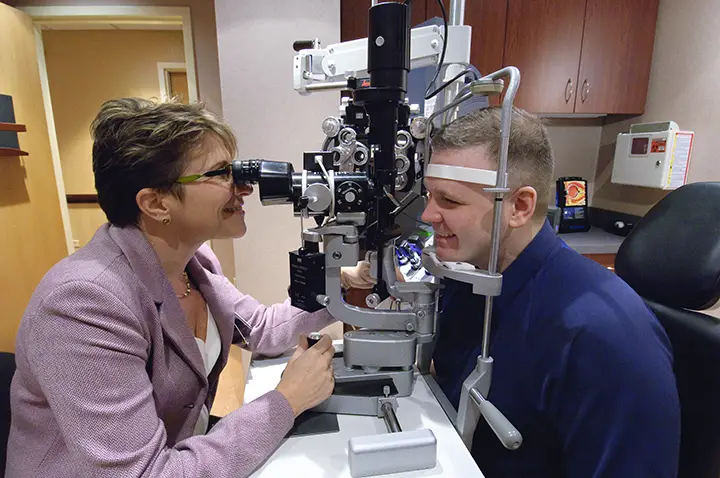
 LASIK surgery is a versatile procedure that can correct several common eye conditions. Primarily, it’s used to address refractive errors, which affect how your eyes focus light, causing blurred vision. Here are the main conditions that LASIK can help correct:
 LASIK laser surgery is a fantastic option for those looking to correct their vision, but certain conditions apply. The U.S. Food and Drug Administration (FDA) has approved LASIK for individuals who are at least 18 years old. Besides your age, there are several to determine if someone is a good candidate for the procedure: