
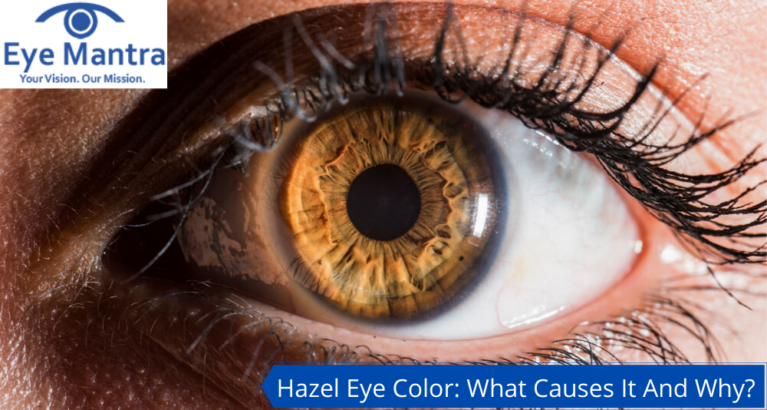
What is Hazel Eye Color?
Hazel eye color is a unique, multi-tonal iris shade characterized by a combination of green, brown, and gold pigments. Unlike solid-colored eyes—such as pure blue, green, or brown—hazel eyes feature a distinctive “sunburst” pattern where the color transitions from a brownish-gold near the pupil to a green or amber hue at the outer edge of the iris.
Because hazel eyes contain a moderate amount of melanin (the pigment that determines darkness), they are often described as a “bridge” between brown and green eyes. This moderate pigmentation, combined with the way light reflects off the iris (a phenomenon called Rayleigh scattering), allows hazel eyes to appear as if they are shifting colors depending on the lighting, clothing, or environment.
The Key Differences: Hazel vs. Green vs. Brown
Hazel vs. Green: Pure green eyes have a clear, uniform green color with little to no brown. Hazel-green eyes, however, show a mix—usually with a visible ring or flecks of brown or gold around the pupil.
Hazel vs. Brown: Brown eyes have a high amount of melanin, giving them a rich, uniform color across the iris. Hazel-brown eyes are lighter and more mixed, with hints of green or golden tones showing through.
What Causes Hazel Eye Color?
You might have heard that eyes have blue or green “paint” in them, but that’s actually a myth! In reality, every eye color in the world is made by just one thing: Melanin (the same stuff that gives your skin its tan).
Think of it like a dimmer switch on a light:
- Brown eyes: The switch is turned all the way up (lots of melanin).
- Blue eyes: The switch is almost off (very little melanin).
- Hazel eyes: The switch is stuck right in the middle.
Eyes are the primary features we notice in a person, sometimes even referred to as “the window to the soul”. It is quite natural for people to be curious about their eye color and hence while consulting the expert optometrist and ophthalmologists at our health clinics these are some of the most frequent inquiries that are posed to them:
- “What is the color of my eyes?”
- “Can I wear colored contact lenses?”
- “Can my child have Hazel eye color?”
1. The “Marble Cake” Effect
While brown eyes are like a solid chocolate cake, hazel eyes are more like a marble cake. The pigment isn’t spread evenly. Usually, there’s a concentrated ring of brown around the pupil, which then “leaks” into patches of green or gold toward the edges. This uneven mix is exactly why no two pairs of hazel eyes look the same.
2. Rayleigh Scattering
Have you ever wondered why the sky looks blue even though space is black? It’s because of how sunlight bounces off the atmosphere. The same thing happens in your eyes! Because hazel eyes don’t have enough brown pigment to cover everything, the light bounces around the clear parts of your iris and reflects back as green or blue.
- When you’re in bright sunlight, the “blue sky” effect is stronger, and your eyes look greener.
- In dim indoor lighting, the brown pigment takes over, and your eyes look browner.
3. Genetic
Old science used to say two brown-eyed parents couldn’t have a hazel-eyed baby, but we now know that’s not true. Eye color is like a genetic remix. You inherit bits and pieces from your parents and grandparents, and sometimes those “medium-pigment” genes skip a generation to create a beautiful surprise.
Hazel Eye Color Chart: Which Type Do You Have?
Hazel eyes are like a fingerprint—no two pairs are exactly the same. However, most people with hazel eyes fall into one of these three common categories.
1. Hazel-Green
This is often mistaken for pure green.
- What it looks like: The primary color is a vibrant green, but if you look closely at the center, there is a distinct ring of gold or light brown around the pupil.
- Lighting Tip: These eyes often look “emerald” in bright outdoor light.
2. Hazel-Brown
This is the most common type of hazel eye.
- What it looks like: From a distance, they might look light brown. Up close, you’ll see “bursts” of green and amber breaking through the brown base.
- Lighting Tip: In low indoor light, these look deep brown, but they “glow” with golden flecks under a camera flash or sunlight.
3. Amber-Hazel
These are the rarest of the hazel family and are often called “honey eyes.”
- What it looks like: A warm, yellowish-gold or coppery color throughout, with very faint green outlines. They lack the dark brown ring found in other hazel types.
- Lighting Tip: These eyes look almost yellow or orange in sunset lighting.
Medical Advantages of Having Hazel Eye Colour
As each eye is unique in its color just like the tissue surrounding the eye called the Iris, similarly, each color has its own medical advantages and disadvantages. The varying amount of melanin controls the color of the eyes as but also has its own role to play in natural selection. People with Hazel color eyes are less likely to have nerve damage due to environmental noise. With pros however come cons, people with Hazel eyes are more susceptible to behavioural issues and anxiety disorders (Visit our site for online anxiety counseling).
Rarity: How Common Are Hazel Eyes?
If you have hazel eyes, you belong to an exclusive club. While brown eyes cover nearly 79% of the world, hazel eyes are far more unique.
- Why it matters: Because they are rare and “color-shifting,” hazel eyes are often ranked as one of the most attractive and mysterious eye colors in global surveys.
- Global Rarity: Only about 5% of the world’s population has hazel eyes. This makes it the second-rarest common eye color, just behind green (2%).
- Regional Differences: Interestingly, hazel eyes are much more common in certain parts of the world. In the United States, about 18% of people have hazel eyes due to mixed European and Middle Eastern ancestry.
Personality Traits Associated With Hazel Eye Color
Each eye color has certain personality traits associated with them. Recent studies have reiterated the fact that the color of our eyes can reveal a lot about their personality their way of dealing with other people. People with Hazel eyes are more likely to be approachable, elegant, and have a positive outlook on life. With self-determinism and a little bit of mischief at heart.
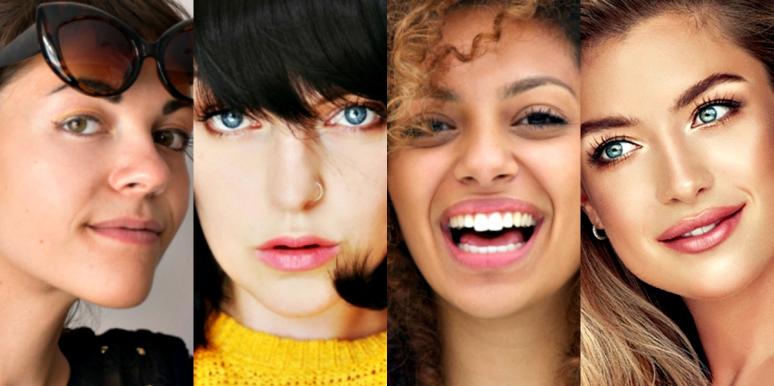
Do You Want Hazel Eyes?
No matter the natural color of your iris, if you’ve always wanted hazel eyes or maybe a lighter eye color you can achieve this through colored contact lenses. This won’t permanently change the color of your eyes but will give the looks of it for a little time.
Color contact lenses are available in a wide variety of colors so you’re not just limited to hazel but also other uncommon shades like gray eyes, amber eyes, amethyst eyes, and more popular colors of blue, green, and brown.
While eye color is a beautiful trait, keeping your vision clear is our priority. Whether you have questions about color-enhancing contacts or want a comprehensive eye check-up, the experts at EyeMantra are here to help.
We also offer various services like Retina Surgery, Specs Removal, Lasik Surgery, Squint, Cataract Surgery, Glaucoma Surgery, and much more.
Medically Reviewed By

Senior Eye Surgeon | LASIK, SMILE & Cataract Specialist

