
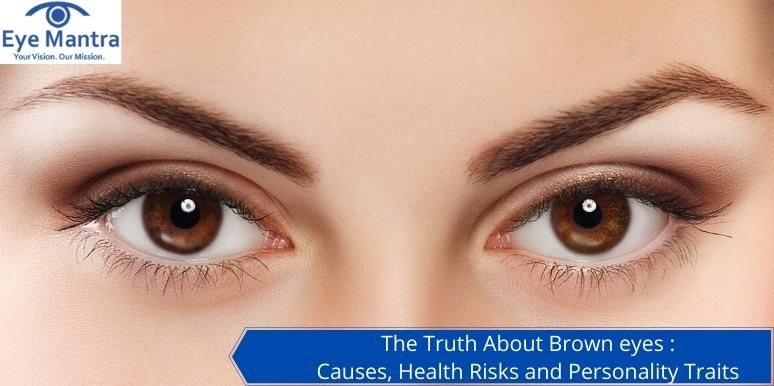
The coloured part of the eye is called as iris. And the colour comes from a pigment called as melanin, and this pigment also causes the colour of your skin. Medical experts claim that when everyone used to live at a time when the climate doesn’t use to exist and weather used to always remain sunny, everyone had brown eyes and the iris used to be dark in colour and it protected eyes from being damaged by the ultraviolet rays and bright sunlight.
Estimated, it is said that 55 to 79 % of people worldwide have brown eye colour. The dark brown colour is common in Africa, East Asia and Southeast Asia whereas light brown eyes are mainly found in areas like west Asia, Amercia and Europe.
What Causes Brown Eyes?
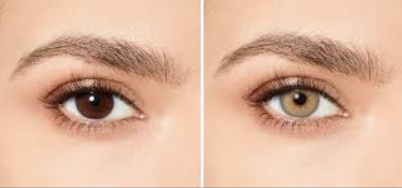
The eye colour is an inherited trait as you can’t determine if your parents have eye colour, their kid will also have the same eye colour. In fact, up to 16 genes influence the colour of your eye. So, there are much chances that in the same family children do have different eye colour.
The genes associated with eye colour work in the transport, storage and production of melanin(which is responsible for eye colour).
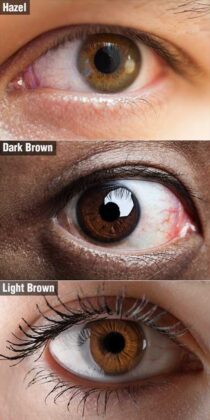
Those who have less melanin in the iris have blue eye colour, whereas a little bit more melanin causes green, hazel or light colour. But when there’s a high concentration of melanin then the colour eye turns into dark brown.
Caucasian babies have a little amount of melanin in the iris which causes their eye colour blue for the first few months of their life. But after 12 to 18 months, more melanin accumulates in their eyes which causes eye colour to turn from blue to green or from hazel to brown.
Benefits of Brown Eyes
If you have brown eyes, you are just a part of a crowd who have the same eye colour. But you will not realize that how valuable and unique it is.
Here are some points which will prove that people with brown eyes should value their eye colour –
Less Prone To Sun Damage
People with dark eye colour have less chance of sun damage than people who have light eye colour. As dark eyes have more melanin than light eye colour which acts as a protection for skin and eye against the UV(Ultraviolet) rays.

Less Prone To Eye Diseases
As mostly, diseases such as cataracts, macular generation happen due to UV rays as brown eyes have more melanin, there are less chances to get this type of eye disease.
Different Color Variation
People are categorized into groups based on their eye colour and skin. But, what is unique with the brown colour is that different people would have different shades of brown colour, even if they belong to the same family member.
Types of Brown Eyes
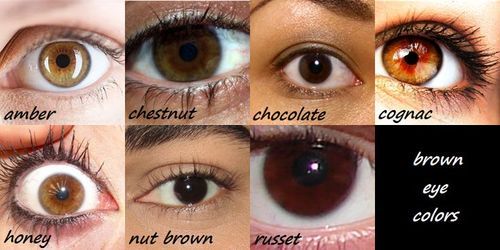
Not all brown eyes are the same. The “type” of brown you have depends entirely on the concentration of melanin in your iris:
- Honey/Amber Brown: A lighter, golden-brown that often glows in direct sunlight.
- Chocolate/Dark Brown: These eyes have high melanin levels and can appear almost black from a distance.
- Cognac/Medium Brown: The most common shade, featuring a rich, reddish-brown hue.
Does Eye Colour Reveal Health Risks?
As it is said that eye speaks a lot about yourself, but it can also tell a lot about your health. A lot of studies have suggested that eye colour can predict your health outcomes and risks. In a study published in Cancer Epidemiology, biomarkers and prevention of the dark coloured iris may indicate a lower risk of skin cancer.
Personality Traits Associated With Brown Eyes
Studies revealed that your eyes tell a lot about your personality, it is quoted by Ramani Darvaushla, Ph.D, a licensed psychologist, professor of psychology quoted “Brown eyes are more common, so it could be that there is a sense of ‘belonging’ or fitting in with those who have dark eyes and brown eyes may also more likely to come from cultures where a trait like agreeableness is more culturally and societally valued than in blue-eyed cultures.”
Intelligence was the number one trait associated with brown-eye people and being trustworthy was the second trait and being kind was the last trait.
Some of the researches also proved that people blessed with brown eyes have much strong eye contact than people with other eye colour.
Some Facts About Brown Eyes
Change In Eye Color
When you’re born, you have a lack of melanin in your iris which makes them appear blue. But during the growth in your body, melanin also starts to develop in the iris which results in brown or hazel eye colour.
Sometimes it takes years to change in the eye colour, even when you’re in your adulthood phase.
Less Risk of Getting Type-1 Diabetes
Diabetic eye diseases such as diabetic retinopathy, diabetic macula edema, cataracts, and glaucoma. Over time, diabetes can cause damage to your eye which leads to poor vision or sometimes even blindness. But the good news for people with brown eyes is that they have fewer chances of getting diabetic diseases.
Faster Reaction Time
In research, it is said that people with dark eye colour have a fast reaction time to a single stimulus, it directly indicates that melanin is somehow connected that how you respond to your surroundings.
Inherited From Genes
Earlier, scientists used to think that a single gene can only determine eye colour. It is said that as many 16 different genes are responsible for the eye colour of an individual that’s the reason it is seen that kids’ eye colour is different from their parent’s eye colour.
Trustworthiness
So, if you’re blessed with brown eyes you are considered to be more trustworthy than others. Studies have revealed that folks with brown eyes are more likely to give feelings of trust to other people.
Can Brown Eyes Change Color Naturally?
While brown eyes are generally considered a permanent trait, there are specific biological and environmental factors that can influence their appearance or cause a gradual shift in shade over time.
Factors That Can Naturally Change Brown Eye Appearance
- Melanin Development in Infancy: Most babies are born with lighter eyes that darken to brown during the first few years of life as melanin production increases in the iris.
- Age-Related Changes: As you age, melanin levels can slowly decrease, causing some dark brown eyes to appear slightly lighter or more “weathered” over decades.
- Light Scattering and Dilation: While the pigment itself doesn’t change, the pupil’s size can shift the concentration of pigment in the iris. When pupils dilate, the pigment is compressed, which can make the eye color appear darker or more intense.
- Clothing and Lighting: Wearing certain colors or being in different lighting environments (like bright sunlight vs. indoor LED) can bring out the “honey” or “gold” undertones in brown eyes, creating the illusion of a color change.
When a Change Is Not “Natural” (Medical Warning)
A sudden or dramatic shift in one or both eyes is rarely a natural cosmetic change and may indicate a medical condition:
- Iris Inflammation (Uveitis): Can cause a dulling of the iris color.
- Glaucoma Medications: Certain eye drops used to treat glaucoma are known to permanently darken the iris by increasing melanin.
- Fuchs’ Heterochromic Iridocyclitis: A condition that causes a loss of pigment, often turning a brown eye toward a lighter or more translucent shade.
Common Myths About Brown Eyes
There is a lot of misinformation online regarding the world’s most common eye color. Here, we clarify the science behind the most frequent myths we hear at EyeMantra.
Myth 1: Brown eyes are just “plain” or “boring.”
Fact: Brown is the most complex eye color. While blue eyes get their color from a lack of pigment, brown eyes are rich in melanin. This pigment provides a natural “SPF” for your eyes, lowering the risk of certain cancers and macular degeneration. Plus, high melanin levels are linked to faster reaction times in sports!
Myth 2: People with brown eyes are more aggressive.
- Fact: This is a common personality myth. While some studies suggest people perceive those with brown eyes as more trustworthy or authoritative, there is no biological evidence linking eye color to aggression or temperament. Personality is shaped by environment and genetics, not iris pigment.
Myth 3: You can change your brown eyes to blue with diet or drops.
- Fact: Be wary of “natural” drops or diets claiming to lighten your eyes. Your eye color is determined by your DNA and the concentration of melanin in your iris. Outside of surgical procedures (which carry high risks), a brown eye cannot naturally or safely turn blue.
Myth 4: Brown eyes don’t need sunglasses.
- Fact: While it’s true that brown eyes have more natural protection against UV rays than light eyes, they are not immune to sun damage. Everyone, regardless of eye color, should wear UV-protected sunglasses to prevent cataracts and retinal damage.
Myth 5: Two brown-eyed parents can only have brown-eyed children.
- Fact: Genetics is a “multi-gene” game. If both brown-eyed parents carry a recessive “light-eye” gene (like blue or green) from their ancestors, they can absolutely have a child with light-colored eyes.
The best way to treat your eyes is to visit your eye care professional and get your eyes checked regularly. He will be able to assess the best method of treatment for your eye ailment. Visit our website, Eyemantra. To book an appointment call +91-9711115191. Or mail us at eyemantra1@gmail.com. Our other services include Retina Surgery, Specs Removal, Cataract Surgery, and many more.
Frequently Asked Questions?
Brown eyes are the most common eye color in the world, found in approximately 55% to 79% of people globally. Dark brown eyes are most common in Africa, East Asia, and Southeast Asia, while lighter brown eyes are more common in West Asia, the Americas, and Europe.
Yes. Brown eyes contain more melanin, which acts as a natural protective pigment against UV rays. This means people with brown eyes generally have a lower risk of UV-related eye conditions like cataracts and macular degeneration compared to people with lighter eye colors. However, everyone should still wear UV-protected sunglasses regardless of eye color.
Yes. Eye color is controlled by up to 16 different genes, not just one. If both parents carry a recessive gene for a lighter eye color somewhere in their family history, their child can be born with blue, green, or hazel eyes even if both parents have brown eyes.
Brown eyes are generally permanent, though slight shifts in shade can happen naturally due to aging, lighting, or pupil dilation. However, a sudden or dramatic color change in one or both eyes is not normal and may indicate a medical condition like uveitis or a reaction to certain glaucoma medications this should be checked by an eye specialist.
Some research suggests a possible link between darker eye color and lower rates of certain diabetic eye complications, though eye color alone should never be treated as a health indicator. Regular checkups remain the most reliable way to monitor your health.
Related Articles:
Medically Reviewed By

Senior Eye Surgeon | LASIK, SMILE & Cataract Specialist

