
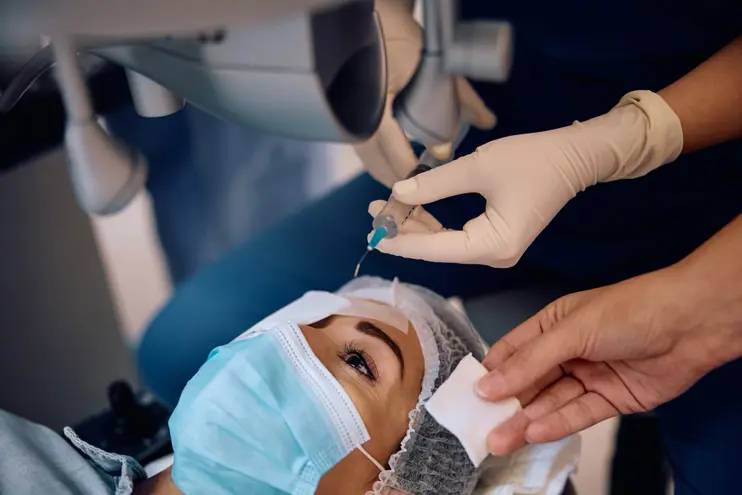
Laser eye surgeries like LASIK have helped millions of people say goodbye to glasses. In traditional LASIK, a thin flap is created on the cornea, allowing the surgeon to apply a laser underneath for vision correction. It’s fast, effective, and the most common option for vision correction.
But with newer technologies like, patients can now choose blade-free, customized treatments. These newer methods promise even greater precision. But this raises an important question: Are flap-based surgeries, like LASIK, still safe, or should you opt for the newer techniques?
In this blog, we’ll explore how flap-based surgeries work, discuss the safety aspects, and help you decide whether a traditional or newer technique is the best option for your vision needs.
What Are Flap-Based Surgeries?
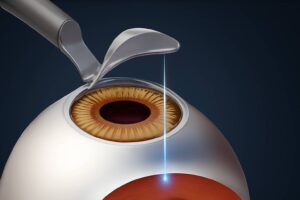
Flap-based eye surgeries, like LASIK, are common treatments for vision correction. In these procedures, a thin flap is created on the surface of the cornea, which is then lifted to allow a laser to reshape the underlying corneal tissue. The flap is then repositioned, covering the treated area.
How It Works:
- A microsurgical blade or a femtosecond laser is used to create the flap.
- The laser reshapes the cornea to correct refractive errors like myopia (nearsightedness), hyperopia (farsightedness), or astigmatism.
- The flap is replaced without stitches, and healing happens quickly.
This method is fast, effective, and minimally invasive, making it a popular choice for millions of people seeking clearer vision. However, while the procedure is generally safe, the flap creation itself can present certain risks, which we’ll explore in the following sections.
The Risks of Flap-Based Surgeries
While flap-based surgeries like LASIK are generally safe and highly effective, it’s important to be aware of the potential risks and complications. These procedures involve creating a flap in the cornea, which, although temporary, does carry some inherent risks.
Common Risks and Complications
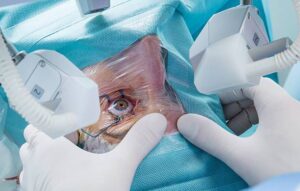
- Flap-related issues: Problems like irregular cuts, incomplete flaps, or microscopic particles getting trapped beneath the flap can cause vision distortions. Although rare, these complications may require additional surgery to fix.
- Flap displacement or injury: After the procedure, the flap doesn’t regain its original strength. If the eye is injured later, the flap can become dislodged, potentially affecting vision. This risk is higher for those with active lifestyles (athletes, manual laborers, etc.).
- Dry eyes: Many patients experience temporary dry eye symptoms after flap-based surgeries. This is usually treatable with eye drops, but for some, dryness can persist.
- Glare, halos, and night vision issues: Some people notice glare or halos around lights, especially at night, which may continue for weeks or months after surgery.
- Corneal ectasia: Although rare, if the cornea is too thin, flap-based surgery can cause corneal ectasia — a condition where the cornea weakens and begins to bulge, leading to blurred vision and possible need for a corneal transplant.
How to Minimize Risks
- Choose an experienced surgeon: A highly skilled surgeon reduces the likelihood of flap complications.
- Follow post-surgery care instructions: Proper aftercare, including using prescribed eye drops and avoiding eye strain, is crucial for healing.
- Consider alternative methods: For those with thin corneas or active lifestyles, flapless surgeries like CLEAR Neo or Trans PRK may be safer options.
Alternatives to Flap-Based Surgeries That Are Safe
While flap-based surgeries like LASIK are popular and effective, there are alternative procedures that may be a better fit for some individuals, especially those with specific concerns or risk factors. Flapless procedures are increasingly preferred by patients who want to avoid the risks associated with flap creation.
Flapless Procedures: How They Work
No flap surgeries are designed to avoid the creation of a corneal flap, reducing the risks associated with flap dislodgement or complications. These methods treat the eye’s surface directly without the need for cutting or lifting a flap.
Benefits of Flapless Procedures
- No risk of flap displacement or injury.
- Ideal for thin corneas or patients with high prescriptions.
- Quick recovery and minimal post-surgery discomfort.
- Less dry eye and glare compared to flap-based surgeries.
Key Flapless Alternatives
- Trans PRK (Transepithelial PRK): This method works by removing the surface epithelium (the outer layer of the cornea) before applying the laser treatment directly to the cornea.
- SmartSurf: Similar to Trans PRK, SmartSurf uses an advanced laser to treat the cornea’s surface without making a flap, resulting in faster recovery times and minimal risk.
- CustomEyes: A personalized treatment based on precise measurements of your cornea, ensuring maximum safety for patients with irregular corneal shapes or higher prescriptions.
CLEAR NEO: The Latest in Flapless Technology
The CLEAR Neo technique is a lenticular-based surgery that involves removing a small, precise lens from the cornea, offering a highly accurate and flap-free procedure. It’s fast, safe, and has a quick recovery time, making it ideal for those who need maximum precision and minimal downtime.
How Long Does It Take for an Eye Flap to Heal?
After flap-based surgeries like LASIK, the corneal flap starts healing immediately. The recovery time varies, but most patients experience a quick recovery.
Healing Timeline:
- First 24-48 hours: The flap begins to heal, and mild discomfort or dryness is common. Most people return to normal activities within a day or two.
- First week: The flap is still bonding, and vision may fluctuate. It’s important to avoid rubbing your eyes during this time.
- 1 month: The flap is securely in place, and vision should stabilize.
- 3 to 6 months: Full corneal strength is restored, and any remaining symptoms, like glare or dryness, should resolve.
Factors Affecting Healing:
- Following aftercare instructions carefully can speed up recovery.
- Individual healing times may vary based on health, age, and adherence to post-surgery guidelines.
Conclusion
Whether you choose a flap-based or flapless procedure, it’s crucial to get a comprehensive eye exam to determine which surgery is best suited for your eyes. Every patient’s needs are unique, and a professional consultation will help you make the most informed decision.
To find out which procedure is right for you, call us today and book your free consultation at the best eye hospital in India.
📞 Call now at +91-9711116605 to take the first step toward clearer vision.
Medically Reviewed By

Senior Eye Surgeon | LASIK, SMILE & Cataract Specialist

