
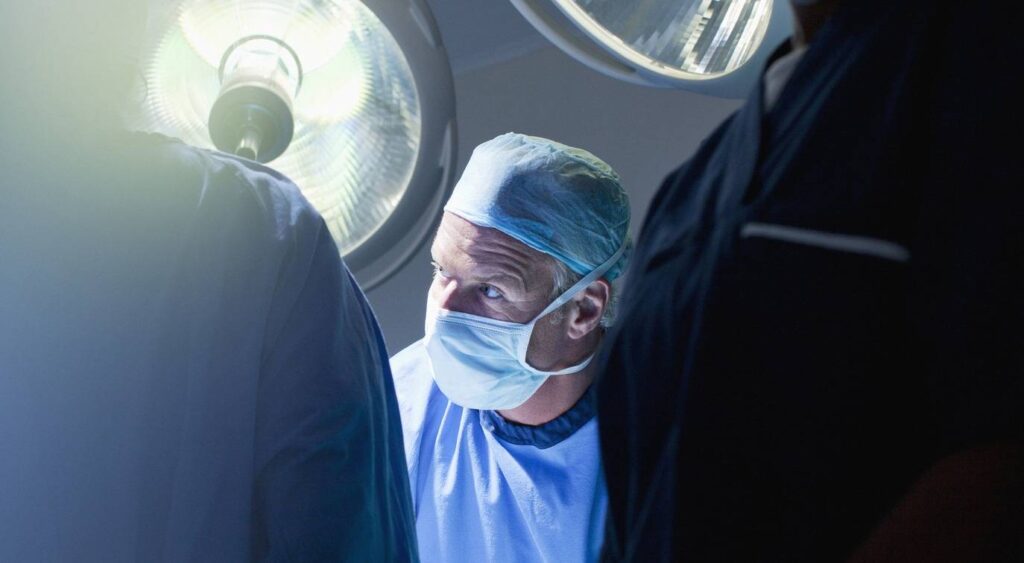
Cataract surgery isn’t new. The traditional method has been around for years, and yes, it still does the job well. But here’s the twist — in today’s world of AI and robotics, would you still want your eye surgery to depend only on the surgeon’s hand skills?
That’s where Robotic Cataract Surgery comes in. It’s bladeless, automated, and uses advanced laser technology to make every step more precise. Sounds futuristic, right? But how is it really different from the traditional method you’ve always heard about?
In this blog, we’ll look at Robotic vs Traditional Cataract Surgery, compare the two approaches, and help you understand which one might be the better choice for you.
What Is Traditional Cataract Surgery?
Traditional cataract surgery is the method that has been used safely for decades and is still the most common way of treating cataracts. In this procedure, the surgeon makes a small cut in the eye manually. Through this incision, ultrasound waves are used to break the cloudy lens (cataract) into smaller pieces, which are then removed using suction.
Once the cataract is cleared, an artificial intraocular lens (IOL) is implanted to restore clear vision.
Talking about the results… they are generally very good, but the entire process relies heavily on the surgeon’s manual skills. The more experienced the surgeon, the better the precision and outcomes.
While safe and reliable, there is always some chance of slight variations because it depends on human hands — and that’s exactly where robotic technology aims to make things even more consistent.
What Is Robotic (AI-Assisted) Cataract Surgery?
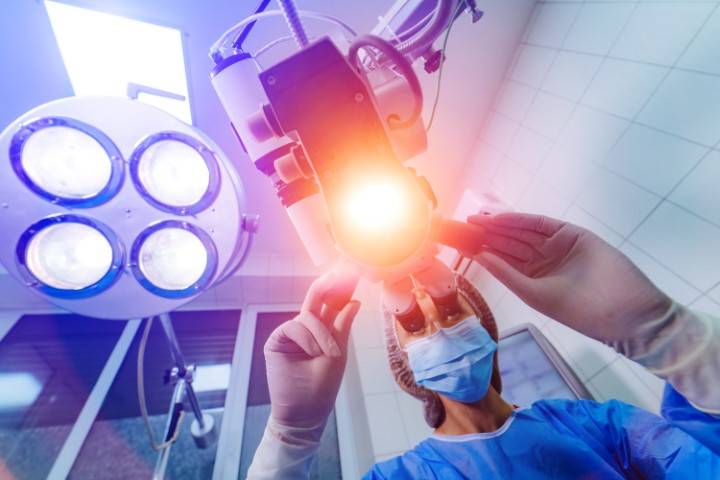
Robotic cataract surgery, also known as AI-assisted femtosecond laser cataract surgery (FLACS), represents the modern evolution of cataract treatment. Instead of depending entirely on manual cuts by the surgeon, this method uses advanced laser technology to perform the most critical steps of the surgery with machine-level precision.
With the Ziemer Z8 femto-laser system, each stage — from creating the tiny corneal incision, to opening the lens capsule (capsulotomy), to softening and breaking the cataract — is done with the help of laser guidance. This bladeless approach makes the surgery gentler, more predictable, and highly accurate.
What sets the Z8 apart is its AI-assisted planning and imaging. The system captures a detailed 3D map of the eye, plans every cut virtually, and then executes it with micrometer-level accuracy. This means less tissue trauma, reduced swelling, and a smoother experience overall.
In simple terms, robotic cataract surgery reduces human dependency and puts precision in the hands of the laser, making the entire procedure safer, faster, and more comfortable for the patient.
Want to know more about how the Z8 NEO Cataract surgery actually works and why it’s considered the most advanced cataract procedure in 2025?
👉 Explore the full details of Z8 NEO Cataract Surgery.
Robotic vs Traditional Cataract Surgery: A Quick Comparison
| Aspect | Traditional Cataract Surgery | Robotic (AI-Assisted) Cataract Surgery – Z8 NEO |
|---|---|---|
| The Biggest Difference | Manual – every step depends on surgeon’s skill | Automated – femto-laser + AI ensures precise, uniform steps |
| Safety and Precision | Safe but small variations possible due to human hands | Micrometer-level accuracy, perfectly sized incisions, predictable outcomes |
| Comfort and Experience | Mild pressure or discomfort during manual incision and ultrasound | Bladeless, gentle, pain-free, smooth and stress-free experience |
| Recovery and Healing Time | Safe but recovery can take slightly longer, with more swelling or irritation | Faster recovery, minimal swelling, clearer vision within days |
| Results & Long-Term Benefits | Good results, but quality depends on surgeon’s expertise | Consistently sharp, high-definition vision with stable long-term outcomes |
Final Note
Both techniques treat cataracts effectively, but robotic cataract surgery with the Z8 NEO is clearly a step ahead. It offers precision, comfort, and faster recovery that traditional methods simply cannot match.
Cost Comparison: Traditional vs Robotic Cataract Surgery
When deciding between traditional and robotic cataract surgery, cost is an important factor to consider. While both involve an additional charge for the intraocular lens (IOL) that is implanted after the cataract is removed, the base surgery costs differ:
| Type of Surgery | Approx. Cost (per eye) | Notes |
|---|---|---|
| Traditional Cataract Surgery | ₹15,000 per eye | Widely available, surgeon-dependent precision |
| Robotic (AI-Assisted) Cataract Surgery – Z8 NEO | ₹25,000 per eye | Advanced bladeless femto-laser, AI precision, faster healing |
Additional Costs:
- The type of lens (IOL) chosen — monofocal, multifocal, or premium toric lenses — will add to the overall expense.
- Lens prices vary depending on brand and features, and your doctor will help you select the one best suited for your vision needs.
Conclusion
Whether you choose traditional cataract surgery or the more advanced robotic AI-assisted surgery, the ultimate goal is the same — to restore clear vision and free yourself from the cloudy blur caused by cataracts. Both methods are safe and effective, and both will give you back the clarity you’ve been missing.
That said, if you’re looking for an option that is safer, more precise, and minimizes risks even further, robotic cataract surgery with the Z8 NEO stands out as the superior choice. With bladeless technology, AI-guided precision, and faster recovery, it represents the future of cataract treatment.
Take the first step toward clear vision today. Book your Free Cataract Surgery Consultation at EyeMantra and find out which procedure is best for you.
📞 Call us at +91-9711116605 to schedule your appointment.
Medically Reviewed By

Senior Eye Surgeon | LASIK, SMILE & Cataract Specialist

