
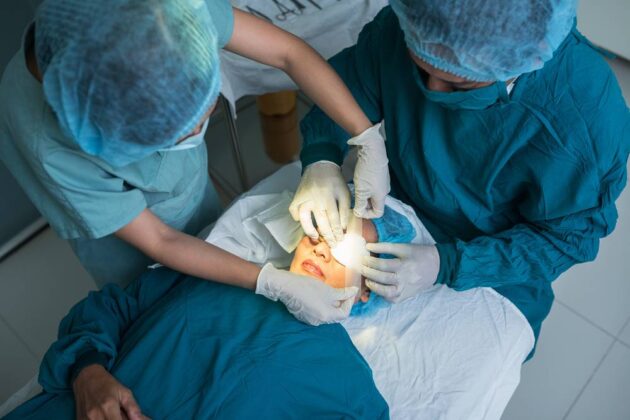
If you or someone you know, like your grandparents, has recently had cataract surgery, you might be wondering, “What’s next?” This thought can bring a lot of questions, anxieties, and fears. You may be thinking about what to expect with your vision, how long recovery will take, and whether there’s anything special you need to do to help the healing process.
Don’t worry, you’re not alone in these thoughts! In this blog, we’ll walk you through exactly what you need to know about precautions after cataract surgery—the dos and don’ts that will help ensure a faster and smoother recovery. Let’s make sure you or your loved ones stay on track and get the best possible results after surgery.
What to Expect Immediately After Cataract Surgery
In the initial hours after your surgery, it’s normal to notice:
- Slightly blurred or hazy vision (this usually improves within a few hours to a few days)
- A mild gritty or scratchy feeling in the eye
- Light watering or minor discharge
- Sensitivity to light
- Mild discomfort or a dull ache around the eye
Before you leave the clinic, your surgeon will place a protective eye shield over the operated eye. Make sure you have someone accompany you, as you should not drive immediately after the procedure. Don’t be concerned if your vision isn’t clear right away—this is completely normal. Your vision will gradually improve as your eye heals and adjusts to the new intraocular lens (IOL).
Cataract Surgery Recovery Timeline
| Timeline | What’s Happening | What You Can Do |
|---|---|---|
| First 24 hours | Anaesthesia wearing off, eye adjusting | Rest, use prescribed drops, wear eye shield |
| Days 2–3 | Vision begins to sharpen | Light activities, short screen time, indoor walking |
| Week 1 | Incision healing, inflammation reducing | Reading, light desk work; avoid driving |
| Week 2 | Most patients see significant improvement | Resume driving (if surgeon confirms), light exercise |
| Weeks 3–4 | Near-final visual stability | Most normal activities resume |
| Month 1–3 | Full stabilisation | Final glasses prescription (if needed) given |
Full visual stabilisation — when your eye has completely healed and your final vision is established — typically takes 4 to 6 weeks, though many patients feel functionally recovered within the first week.
Essential Precautions After Cataract Surgery
While the surgery itself is minimally invasive, how you care for your eyes afterward plays a major role in preventing complications and helping your vision improve as expected.
Here’s a quick guide to the do’s and don’ts to follow after cataract surgery:
| Do’s | Don’ts |
|---|---|
| 1. Protect Your Eyes: Wear protective glasses or an eye shield to prevent dust or accidental pressure on your eyes. | 1. Don’t Rub or Scratch Your Eyes: Avoid rubbing, pressing, or touching your eyes to prevent irritation or injury to the surgical area. |
| 2. Clean Your Eyes: Gently clean your eyes with eyelid wipes twice a day for the first two weeks to remove any buildup. | 2. Don’t Get Water in Your Eyes: For the first week, avoid splashing water in your eyes. Don’t swim, take hot showers, or wash your face directly under water. |
| 3. Use Your Eye Drops as Prescribed: Follow your doctor’s instructions for using anti-inflammatory and antibiotic eye drops. | 3. Don’t Strain Your Eyes: Avoid activities that require intense focus, such as reading or using a computer for extended periods, during the first few days of recovery. |
| 4. Rest and Relax: Ensure you get enough rest and avoid any strenuous activity. Allow your eyes to heal naturally. | 4. Don’t Engage in Heavy Exercise: Avoid heavy lifting, jogging, or strenuous physical activities for at least a few weeks post-surgery. |
| 5. Wear Sunglasses: Wear sunglasses to protect your eyes from bright lights and UV rays while you’re outdoors. | 5. Don’t Miss Follow-Up Appointments: Attend all your follow-up appointments with your doctor to ensure your eyes are healing properly. |
| 6. Follow a Healthy Diet: Include foods rich in vitamins C and E to promote healing and improve overall eye health. | 6. Don’t Expose Eyes to Smoke or Pollutants: Stay away from smoky or dusty environments to avoid irritation or infection. |
By following these simple precautions, you can help ensure a smooth recovery and enjoy the benefits of clearer vision in no time. Be patient, and give your eyes the rest and care they need!
How Many Days of Rest Is Required After Cataract Surgery?

After cataract surgery, it’s essential to give your eyes enough rest for proper healing. While the initial 24 to 48 hours are the most critical, where you should avoid any strenuous activities, it’s recommended to take it easy for at least the first week.
During this time, avoid heavy lifting, exercise, or activities that strain the eyes, such as reading or prolonged screen time.
After the first week, you can gradually resume light activities, but it’s important to continue resting your eyes and avoid intense physical exertion for about two weeks.
Full recovery can take up to several months, so be patient and follow your doctor’s advice to ensure optimal healing and vision improvement.
Food to Eat & Avoid After Cataract Surgery
Eat more of:
- Leafy greens (spinach, kale)- rich in lutein and zeaxanthin for eye health
- Eggs- contain lutein and omega-3s
- Citrus fruits and berries- vitamin C supports tissue healing
- Carrots and sweet potato- beta-carotene / vitamin A
- Fish (salmon, mackerel)- omega-3 fatty acids reduce inflammation
- Drink plenty of water- staying hydrated supports overall healing
Avoid or reduce:
- Processed and junk food- promote systemic inflammation
- High-sugar foods (sugary snacks, white bread, pasta)- elevated blood sugar impairs healing and can damage ocular blood vessels
- Avoid alcohol- it can interfere with medications and may increase inflammation
- Very salty foods- may cause fluid retention and increase pressure
FAQs
1. What is considered strenuous activity after cataract surgery?
After cataract surgery, strenuous activity refers to any activity that could increase pressure in the eyes or strain your body. This includes activities like heavy lifting, jogging, weightlifting, bending over repeatedly, or any high-impact sports. It’s essential to avoid these activities for at least the first two weeks post-surgery to allow your eyes to heal properly.
2. What are the most common problems after cataract surgery?
The most common problems after cataract surgery include dry eyes, itchiness, and blurry vision during the initial healing period. Some patients may also experience glare or halos around lights, especially at night. These side effects are usually temporary and improve as the eyes heal. It’s important to follow the post-surgery care instructions to minimize risks of infection or complications like inflammation or infection.
3. Can I use mobile after cataract surgery?
You can use your mobile phone after cataract surgery, but it’s important to limit screen time during the first few days. Excessive use can cause eye strain or discomfort. It’s a good idea to take regular breaks and follow the 20-20-20 rule: every 20 minutes, take a 20-second break and look at something 20 feet away to give your eyes a rest.
4. Can I watch TV after cataract surgery?
Yes, you can watch TV after cataract surgery, but it’s recommended to avoid extended periods of screen time, especially within the first few days. Start with short periods of watching TV and gradually increase as you feel comfortable. Ensure that the TV is at an appropriate brightness and distance to reduce strain on your eyes.
5. Food not to eat after cataract surgery
While there are no strict food restrictions after cataract surgery, it’s a good idea to avoid highly processed or sugary foods, as they can increase inflammation in the body. Focus on a diet that includes foods rich in Vitamin C, Vitamin E, and omega-3 fatty acids, which help with healing. Avoid alcohol and caffeine immediately after surgery, as they can interfere with your body’s ability to heal.
Medically Reviewed By

Senior Eye Surgeon | LASIK, SMILE & Cataract Specialist

