
What Is Blue Light?
In the white light, seven other lights make up the white light. The visible spectrum of light contains the different wavelengths of light which can be perceived by the normal human eyes. This visible spectrum of the light consists of blue light and has a very short wavelength but has the highest energy among the other lights. The sun is considered as the main source of light and it has a wide spectrum of colored lights which a human eye sees as white light.
All the colored light has a different energy and different wavelengths. The warmer colors have long wavelengths and less energy whereas, the cooler colors have short wavelengths and high energy. The white light radiated from different screens usually has a higher amount of blue light than any other light of the spectrum. The amount of exposure to blue light from the sun is more than the screens but blue light exposure from screens is more concerning than the sun due to the close proximity of screens to us. The increased use of screens has made us sit in front of them for a longer duration of time making us vulnerable to the harmful effects of the blue light. Blue light is considered harmful as well.
Sources of Blue Light
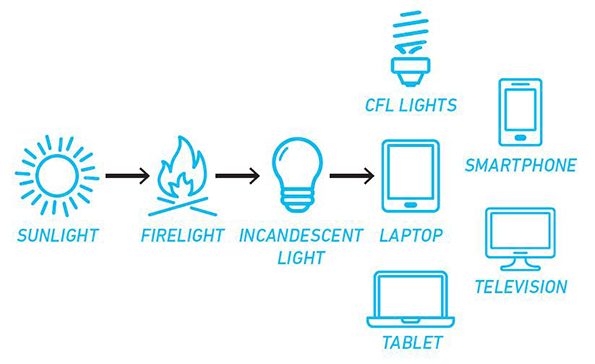
Blue light is radiated from any source that emits white light. Sun is considered as the natural source of it and radiates a high amount of blue light. The screens that we use including our phones, laptops, computer, tablets, and LED television screens all to radiate blue light. The fluorescent lighting in our house including the CFL bulbs and the LED light is also the source of it.
The lights in our house are energy- efficient but the incandescent bulbs that we used earlier didn’t radiate the blue light and had fewer effects on our health. It gets radiated from these sources and is more harmful than the blue light radiated from the sun. This is so because the proximity of the screens to us is less as compared to the proximity of the sun and us.
Health Benefits of Blue Light
Blue light is known for its adverse effects on our health but is also necessary for maintaining good well-being.
- It is necessary for the growth and development of eyesight in children as the sunlight helps in improving their vision.
- It is also known to boost alertness and increases the memory of a person.
- It also boosts the cognitive function of the brain as well as helps in elevating your mood.
- It also helps in regulating the natural sleep and wake cycle which is known as the circadian rhythm. In the daytime exposure to blue light helps in maintaining a healthy circadian rhythm but exposure to light at night time disturbs the normal healthy sleep and wake cycle of the body.
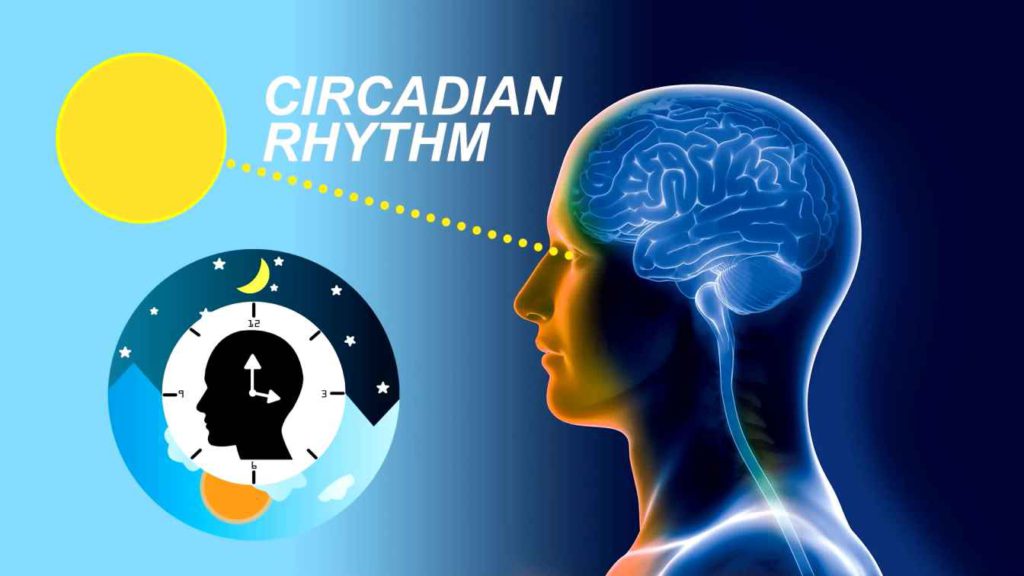
- The radiations from the sun stimulate and boost our energy in our daytime and make us feel sleepy at night time.
Experts have suggested that sleeping in dark rooms and an absence of blue light should be necessary for a proper night’s sleep. A study has also shown that deficiency in exposure to blue light radiated from sunlight can lead to myopia and improper development in children.
How Blue Light Affects Your Eyes: Short-Term vs. Long-Term
Blue light can be both helpful and harmful. Natural blue light from the sun supports our mood and memory, but too much artificial blue light from screens can strain our eyes over time.

Short-Term Effects of Blue Light
Many people start noticing these issues after just a couple of hours on screens. Blue light has high energy and scatters easily, which makes it harder for your eyes to focus clearly.
- Digital Eye Strain: Your eyes work harder than usual, leading to headaches, blurry vision, and tired or aching eyes.
- Less Blinking = Dry Eyes: When using screens, we blink much less (about 5 times a minute instead of 15). This dries out the eyes and can cause a gritty, “sand-like” feeling.
- Sleep Disruption: Using screens at night can confuse your brain by reducing melatonin (the sleep hormone), making it harder to fall asleep.
Long-Term Effects of Blue Light
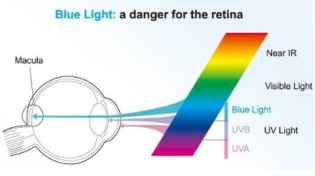
Unlike UV rays, blue light can pass through the eye and reach the retina, which may cause issues over many years.
- Stress on the Retina: Too much exposure may increase harmful molecules in the eye, which can damage cells over time.
- Macular Health: Long-term exposure may increase the risk of conditions like age-related macular degeneration (AMD).
- Cataracts: Over time, the eye’s lens may become less clear as it absorbs more blue light, possibly leading to earlier cataract development.
Blue Light Effects on Sleep
Blue light helps you stay alert during the day, but at night it can seriously disrupt your sleep. Excessive screen use before bedtime interferes with your body’s natural sleep cycle, making it harder to fall asleep and wake up refreshed.
Blue light reduces the production of melatonin, the hormone responsible for sleep. When you use screens at night, your brain receives signals to stay awake instead of preparing for rest.
- High Sensitivity to Blue Light (480nm): Your eyes are most sensitive to blue light in this range, which strongly impacts your sleep signals.
- Melatonin Suppression: Even 30 minutes of screen exposure before bed can delay sleep by over an hour.
- Brain Stimulation: Devices like smartphones and laptops keep your brain active, further delaying sleep.
Blue light affects sleep by suppressing melatonin, the hormone that regulates your sleep cycle. Nighttime exposure from screens and LED lights delays sleep, disrupts circadian rhythm, and can lead to long-term health issues like stress, weak immunity, and poor metabolism. Reducing screen time before bed and using warm lighting can help improve sleep quality.
Is Blue Light Damaging Your Retina?
Recent 2026 research suggests that long-term exposure to blue light—especially in the 415–455nm range—may affect the retina. This part of light carries high energy and can reach deep into the eye, potentially causing stress to sensitive retinal cells.
While scientists are still studying the direct link between blue light and serious conditions like Age-Related Macular Degeneration (AMD), there is growing concern about the cumulative impact of artificial light from screens and LED devices over time.
- Reaches the Retina: Unlike UV rays, blue light can pass through the eye and directly reach the retina.
- Cellular Stress: Prolonged exposure may lead to oxidative stress, which can damage retinal cells.
- Long-Term Concern: Continuous screen use over years may increase the risk of retinal issues, though more evidence is still needed.
For most people, everyday screen use is unlikely to cause immediate damage. However, with increasing screen time in modern life, protecting your eyes has become more important than ever.
- Follow the 20-20-20 rule (every 20 minutes, look 20 feet away for 20 seconds)
- Reduce screen brightness and avoid excessive night-time usage
- Consider blue light protection if you spend long hours on digital devices
Blue Light: Myths Vs Facts
With the rise of digital devices, blue light has become a popular topic—but not everything you hear is medically accurate. Here’s a clear, evidence-based breakdown to help you understand what’s true and what’s not.
Myth 1: Blue Light from screens causes permanent blindness
Fact: There is no strong scientific evidence that blue light from phones or laptops causes permanent retinal damage or blindness. While blue light is high-energy, the amount emitted by screens is very small compared to natural sunlight.
Myth 2: Blue Light is the main cause of Digital Eye Strain
Fact: Digital Eye Strain (Computer Vision Syndrome) is mostly caused by screen habits, not just blue light.
Myth 3: All Blue Light is harmful
Fact: Not all blue light is bad—in fact, it’s essential during the day. The real issue is excessive exposure at night, which can disrupt sleep.
Myth 4: Blue Light Glasses are a scam
Fact: They aren’t a scam, but they aren’t a “magic cure” either. While they may not stop eye disease, a quality pair of blue-cut lenses can significantly improve visual comfort and contrast, making long work hours feel less draining. They are most effective when used as a tool for evening screen sessions to protect your sleep cycle.
Blue light from screens does not cause blindness, and it is not the main cause of eye strain. The real problem is prolonged screen use, reduced blinking, and nighttime exposure. Blue light is beneficial during the day, but limiting it at night and using blue light glasses can improve comfort and sleep quality.
How To Protect The Eye From Blue Light?
As there has been an increase in the amount of work and duration of hours that one spends in front of the screen, we cannot completely remove the use of screens from our life. To maintain our health, we need to take some precautions in order to protect our eyesight from blue light.
Eyeglasses
Investing in good computer eyeglasses is the best way to protect eyes from blue light. The computer glasses have a particular coating present on the top of the lenses which blocks the blue light from reaching the cornea of the eyes. It helps in reducing the digital eye strain caused due to working on screens for long hours. If you have work on a laptop or computer and need to sit in front of them for long hours then it is advised to purchase good quality computer glasses. You can also ask the optician to add an anti-reflective coat on the lenses to protect from blue light from both sides of the lens.
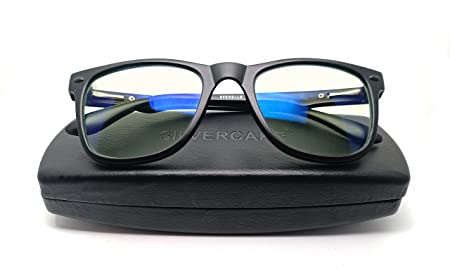
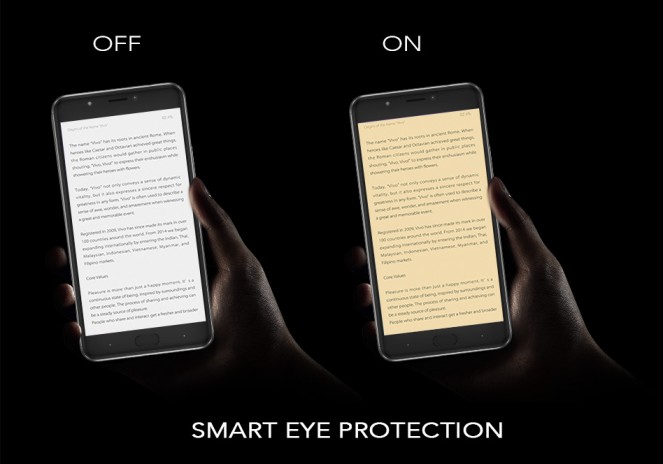
If investing in computer glasses is costing you a fortune then the cheaper option is to get a protective covering on the devices. The protective covering is a screen filter that limits exposure to blue light. They are generally inexpensive and absorb blue light radiated from the devices, reducing the eye strain from the eyes. Installation of apps on the device that filters the blue and green light at night can also be beneficial in controlling radiation exposure.
Eye Exercise
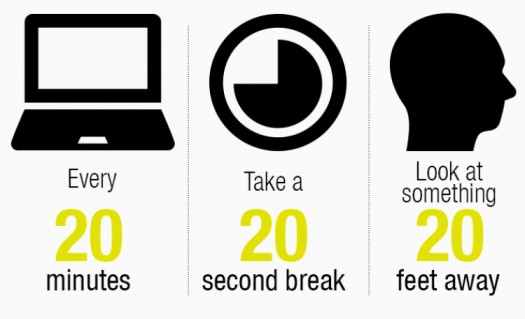
It is beneficial in taking a break after every 20 minutes of work. The 20-20-20 rule is the ideal rule to follow to reduce the eye strain, dry eyes, and red eyes caused due to long exposure to the blue light of the screen. The rule states that you should take a break of 20seconds to view an object placed 20 feet away after every twenty minutes. This has been very helpful in reducing eye strain.
IOLs
The Intraocular lens also protects from blue light as they block the radiations that reach the eyes and protect the retina from getting damaged. Intraocular lenses usually are prescribed to people who have undergone cataract surgery as they need protection from ultraviolet radiation.
Dim Lights
The use of dim lights at night can help in maintaining the supply of melatonin and would not shift your circadian rhythm. Instead of using bright table lamps by the bedside replace them with table lamps with red light. During the daytime expose yourself to sunlight as it will boost your alertness and will elevate your mood. It will also help you to boost your ability to sleep during the nighttime.
Avoid using electronic gadgets and television screens two to three hours before bedtime. As it will maintain your natural sleep-wake cycle.
Healthy Diet

Maintaining a proper healthy diet is also a key to healthy eyes. Drink plenty of water and blink continuously to maintain the moisture in your eyes. Take certain minerals and vitamins which are important for the health of the eyes. Nutrients like carotenoids, lycopene, anthocyanosides , flavonoids, beta carotene, and vitamin A, E, and B complex help in improving the health of the eyes. A daily dose of multivitamins and mineral supplements can help in filling out the nutritional gap in the diet you take. Consultation from a doctor is required before you take any kind of supplements.
Certain lifestyle changes and taking a proper diet can help in reducing the chances of getting eye problems and will relieve you from getting eye strain and headaches. Before getting computer glasses it is advised to visit an ophthalmologist so that a proper eye exam can be done. If there are any changes in the vision then it is advised to visit the doctor immediately.
The best way to treat your eyes is to visit your eye care professional and get your eyes checked regularly. He will be able to assess the best method of treatment for your eye ailment. Visit our website Eyemantra. To book an appointment call +91-9711115191. Or mail us at eyemantra1@gmail.com. Our other services include Retina Surgery, Specs Removal, Cataract Surgery, and many more.
FAQs
While short-term exposure primarily causes Digital Eye Strain, long-term exposure to high-intensity blue light is linked to potential retinal damage and an increased risk of age-related macular degeneration (AMD).
Yes, high-quality blue-cut lenses are designed to filter out the 400–450nm spike of blue light emitted by LEDs and smartphones. They are most effective at reducing glare and preventing the “gritty” feeling of dry eyes after long work hours.
Software filters (like “Night Shift” or “Blue Light Filter” apps) change the color temperature of your screen to reduce blue output. While helpful for sleep preparation, they do not eliminate glare or external blue light sources as effectively as physical lenses do.
Children’s eyes absorb more blue light than adults. Encourage the 20-20-20 rule (every 20 minutes, look 20 feet away for 20 seconds) and limit screen time at least one hour before bed to protect their developing retinas.
Medically Reviewed By

Senior Eye Surgeon | LASIK, SMILE & Cataract Specialist

