
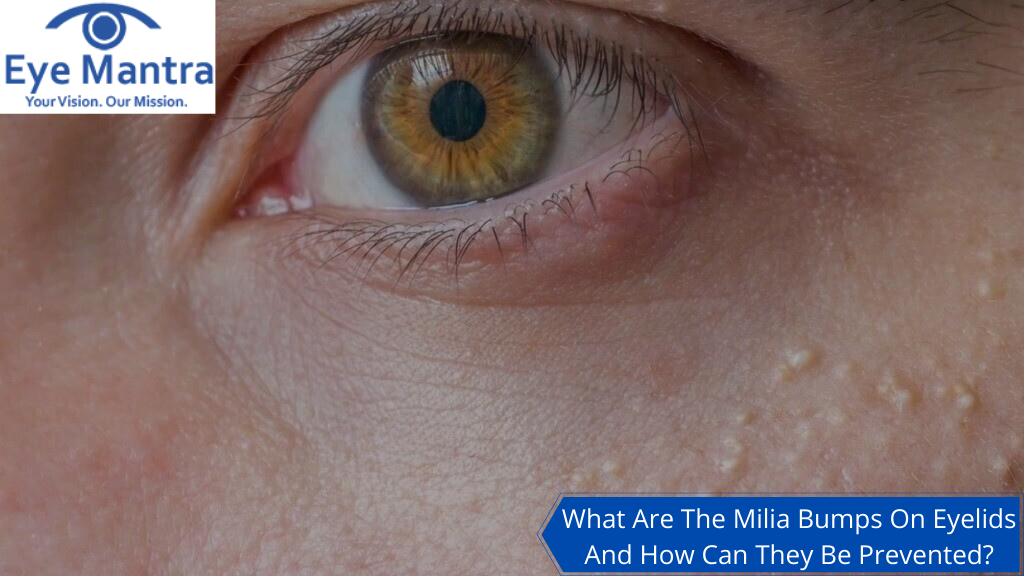
Noticing small, hard white bumps on your eyelids that won’t go away? These are likely milia—tiny keratin-filled cysts that are common but often misunderstood. While they are harmless, removing them from the delicate eye area requires professional care. In this 2026 guide, our ophthalmologists explain why milia form and the safest ways to restore your clear skin
What Are Milia Bumps?
Milia is a small, white, or yellow milia bumps that usually appear on the face, commonly around the cheeks and eyelids. Majorly it is caused by keratin when it gets trapped beneath the surface of our skin. Milia are often found in newborns but they can affect people of any age. Although milia don’t cause any such difficulty still you would want to remove it because it looks bad.
Therefore, below are some mentioned home remedies to remove milia.
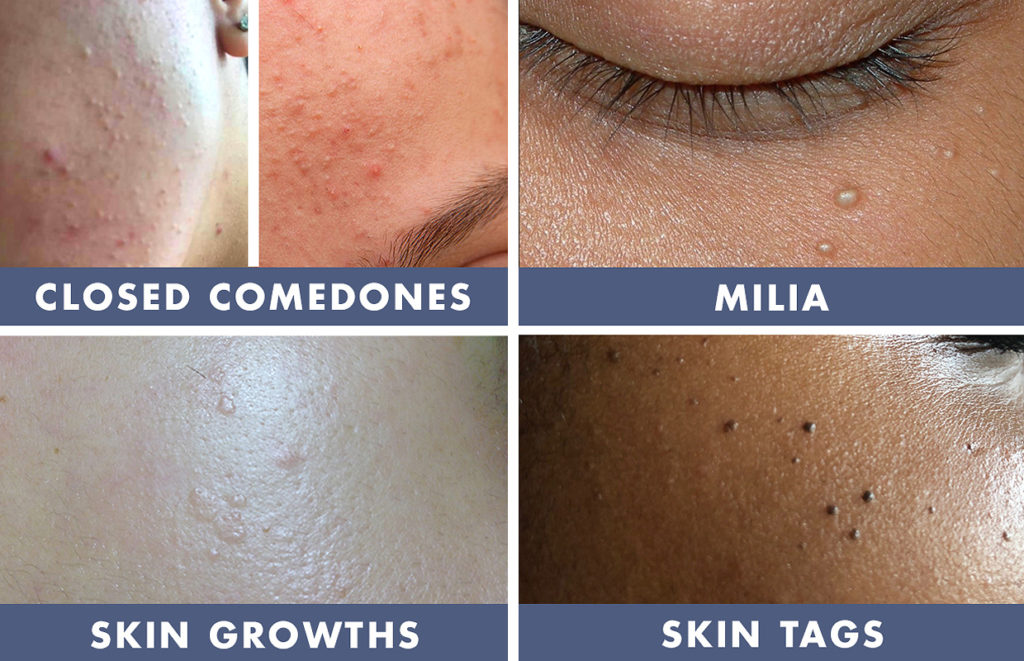
Types of Milia Bumps
Neonatal Milia
These are generally found on the nose but can also be seen on the face, scalp, and inside the mouth. These are often confused with neonatal acne. However, neonatal acne may vary in size and are generally red whereas neonatal milia are uniform in size with no redness. Neonatal milia are a common disease found in newborns whereas neonatal acne occurs after two weeks of birth.
Primary Milia
It can occur in both children as well as adults. They can last from several weeks up to several months. It generally appears on eyelids, cheeks, and forehead.
Milia EN Plaque
In this several militias occur forming a broad flat patch on the surrounding skin. It can affect both children as well as adults. Generally, it is found in middle-aged women. Common areas where it is formed are eyelids, behind the ears, or on the cheeks. This is a very rare kind of milia and can be associated with some other skin issues like lichen planus or discoid lupus erythematosus.
Traumatic Milia
This kind of milia is known as secondary milia as it follows injury to the skin which involves:
- Burn
- Blisters from a skin condition
- Allergic reactions
Risk Factors Associated With Milia Bumps
Milia are generally risk-free but when it is associated with other conditions or some
injury, the condition should be treated separately. It is important to diagnose milia properly as it can be confused with some other diseases like cysts, acne, or miliaria. If the milia are troubling you very much make sure to contact a doctor and get the treatment done properly and as soon as possible.
Home Remedies For Milia Bumps
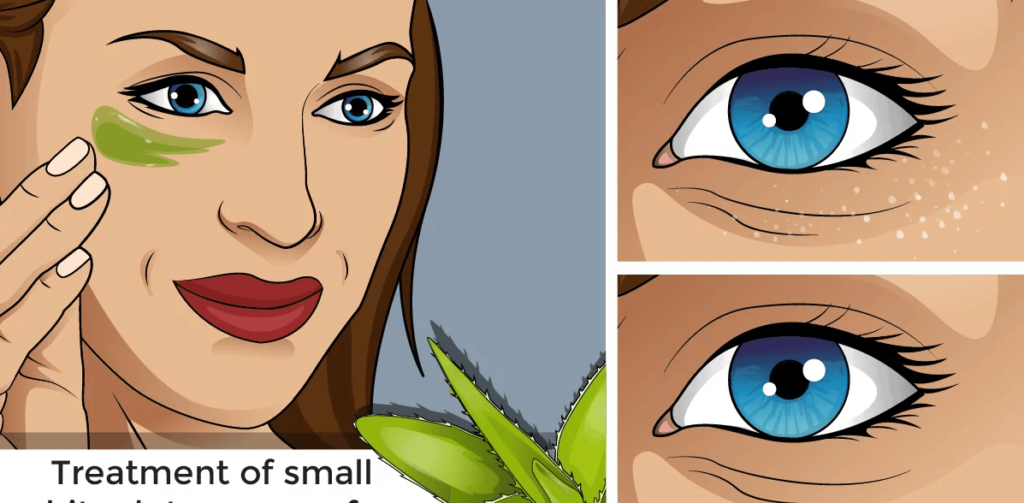
Milia doesn’t require any treatment, it cleans up on its own with time. But milia especially underneath the eyelid can irritate and can bother you. So, to avoid that here are some home remedies you can try:
- Milia occur underneath the eyelid due to excess keratin. Therefore, to avoid that you can use a warm washcloth and apply it to exfoliate the area. Exfoliating will remove all the dead skin cells and helps in bringing the trapped keratin back to the surface.
- You should take steam at least once or twice a week. It keeps your face fresh and is one of the best treatments at home for the face.
- You should keep your face clean. Try using the face wash that suits your skin the best to avoid skin irritation. If you have sensitive skin opts for a product that will not react to your skin.
- You can also use rose water or manuka honey on your face. According to the studies anti-inflammatory properties are found in these products i.e. rose and honey.
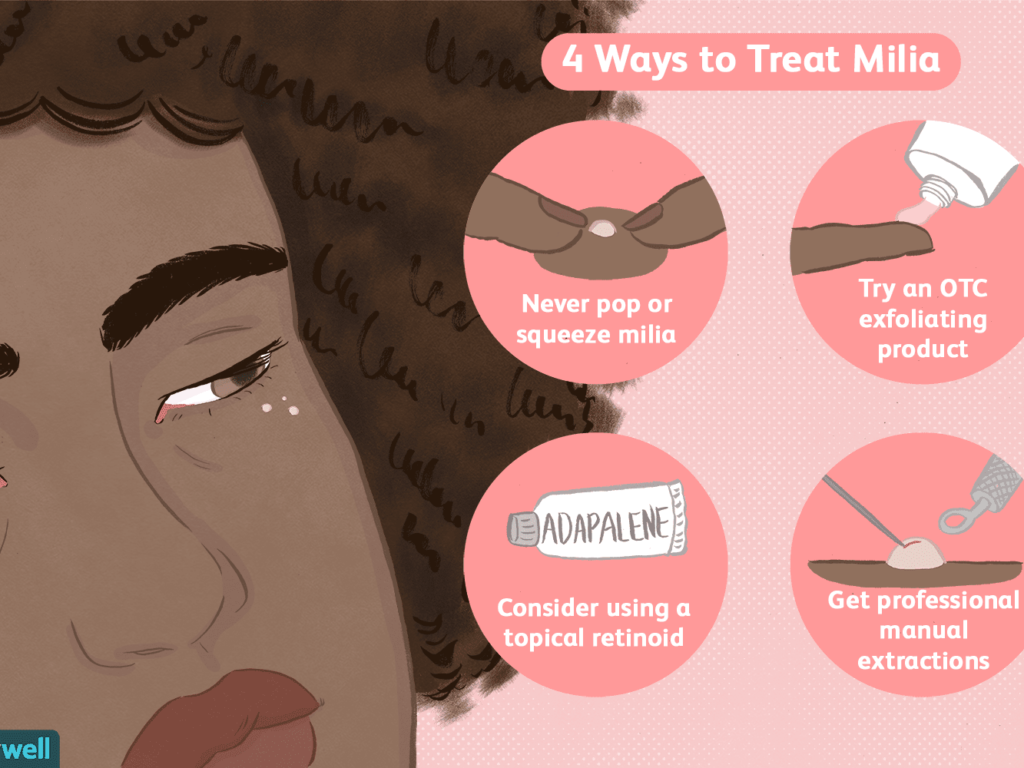
- Do not pick or poke the milia bumps. According to the doctors if you leave the milia bumps alone they will heal faster. If you pick them as they can sometimes irritate it may lead to permanent scars.
- You should use high protection sunscreens whenever you go outdoors during the day. It protects your skin from harmful UV rays.
- You can also use topical retinoid cream or gels derived from Vitamin A. You can buy them online as it helps in healing milia faster.
Medical Treatment For Milia Bumps on Eyelid
For treating the milia under the eyes the dermatologist will use the following procedure:
- DEROOFING: A sterilized needle can be used to remove the milia formed under the eyes.
- CRYOTHERAPY: It is one of the most common treatments used to treat milia. However, this treatment is recommended when the milia are formed near the eyes. In this, the dermatologist will use liquid nitrogen, as it freezes the milia and destroys them.
- LASER ABLATION: In this, a small Laser is focused on the milia. It opens the milia and helps the keratin that is trapped underneath the surface to come up.
How To Get Rid of Milia Bumps on Eyelids
It is not possible to prevent milia that occur in newborns. However, when milia are associated with some other skin conditions or injury proper treatment avoids them to return.
Some of the ways through which milia can be prevented under the eyelids are:
- Avoid excess exposure to sunlight
- Regularly clean and exfoliate your skin as it will encourage new skin cells to come upon the surface and loosen the trapped keratin.
- Use night serum containing vitamin E or topical Vitamin A as its moistures the skin and promote cell growth.
Milia is a yellow or white bump formed on several parts of our body i.e., cheeks, eyelids, or nose. They do not cause long-term problems and most cases are resolved without treatment within several weeks. The milia bumps formed disappear quickly in the newborns as compared to that of adults and children. If the milia don’t disappear on its own within several weeks consult a doctor as sometimes it is associated with other skin conditions or injury. There are several home remedies also through which you can treat the milia and keep your skin healthy.
Frequently Asked Questions: Milia on Eyelids
The safest way to remove milia near the eye is through professional extraction by an ophthalmologist or dermatologist. This usually involves “deroofing,” where a sterile needle is used to create a tiny opening for the keratin to be removed. You should never squeeze them at home, as the eyelid skin is extremely delicate and prone to scarring or infection.
Sudden milia often occur when keratin (a protein) becomes trapped under the skin’s surface. This can be triggered by using heavy eye creams or oil-based makeup that clogs pores, long-term sun damage, or a natural slowdown in your skin’s exfoliation process. In some cases, minor skin trauma or eyelid surgery can also cause “secondary milia.”
There is no direct clinical evidence linking milia to a specific vitamin deficiency. However, a diet high in cholesterol and saturated fats may occasionally correlate with skin issues. Milia are primarily a structural skin issue (trapped keratin) rather than a nutritional one. If you notice yellow-toned bumps, these may be xanthelasma, which is linked to high cholesterol levels.
Milia are not permanent, but unlike whiteheads, they rarely disappear on their own because they are encased in a tiny cyst. On the eyelid, where the skin doesn’t move as much as the rest of the face, they can persist for months or even years unless professionally treated or addressed with gentle, medical-grade topical exfoliants.
For any disease associated with eyes do visit our website: eyemantra.in and Visit this best Eye Hospital in Delhi Now!!!
Call 9711115191 and book a meeting. You furthermore may mail at eyemantra1@gmail.com. Our team of great and experienced ophthalmologists will advise the best options for safely and effectively treat your eye diseases. We assure you that we will never disappoint you and will solve all your problems associated with the eyes
We also offer various services like Retina Surgery, Specs Removal, Lasik Surgery, Squint, Cataract Surgery, Glaucoma surgery, and much more.
Related Blogs:
Medically Reviewed By

Senior Eye Surgeon | LASIK, SMILE & Cataract Specialist

