
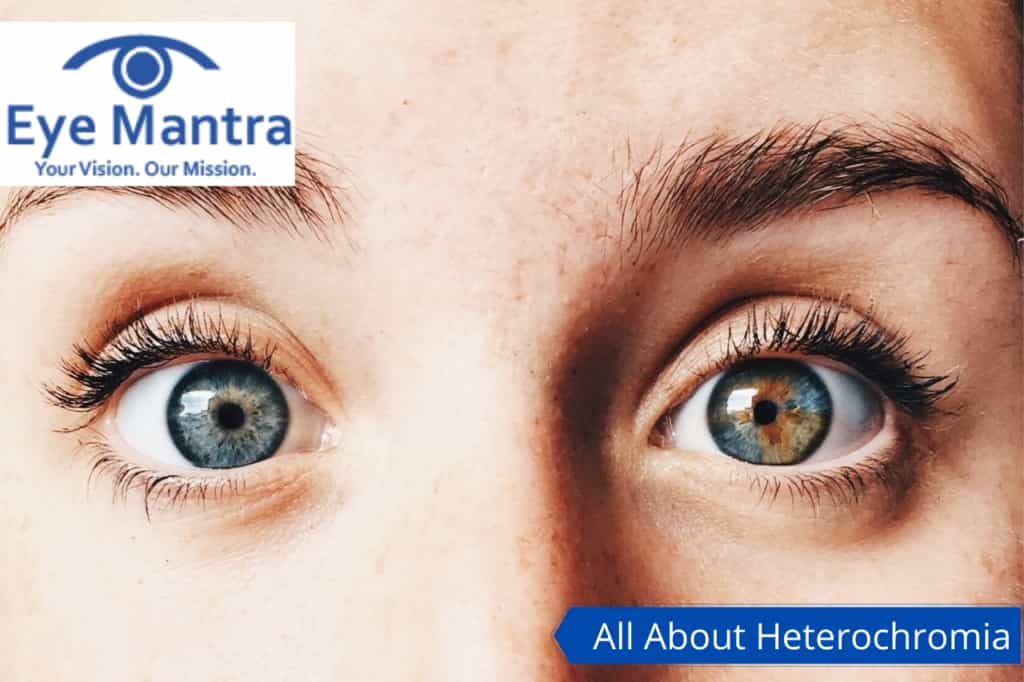
What is Heterochromia?
Heterochromia refers to distinction in the colour of the iris or around the pupil. It usually means colour variations in the iris. People might have a different colour in both the iris or they may have different colours around the border of the iris. It can be caused due to several reasons like eye injury or some kind of syndrome. Heterochromia may be inherited or can occur due to injuries.
Some people are born with different eye colours. Therefore, this disease is harmless to them. There is no treatment for this disease. If you don’t want different eye colours you can wear contact lenses.
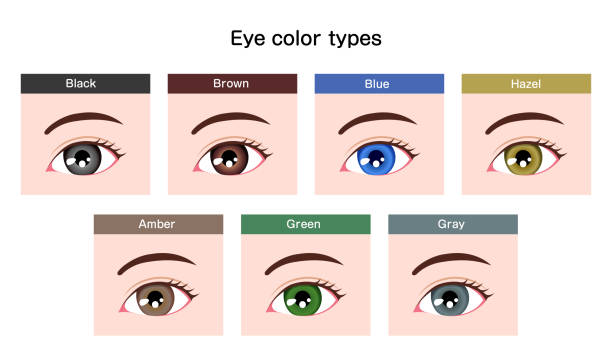
The 3 Main Types of Heterochromia
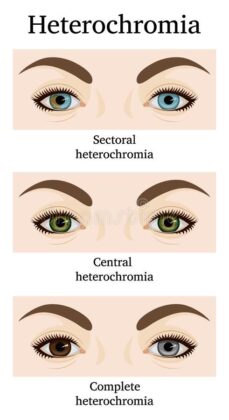
Complete Heterochromia (Heterochromia Iridium)
This is the most striking and well-known version. In complete heterochromia, one iris is a entirely different color than the other.
- Example: One eye is vivid blue while the other is a deep brown.
Segmental Heterochromia (Partial Heterochromia)
It is somehow similar to the previous one but it affects the larger area of the pupil leading to different colours in both eyes.
- The Look: Imagine a green eye with a brown “wedge” taking up a quarter of the iris.
Central Heterochromia
In this, the outer area of the iris has different colour as compared to the rest of the iris.
- The Look: A different colored ring surrounds the pupil, while the outer edge of the iris remains another color.
- Key Distinction: Unlike “hazel eyes,” where colors blend together, central heterochromia has a sharp, defined border between the two colors.
Causes of Heterochromia
Melanin is a pigment in our body that gives a human its skin colour as well as hair colour. A person with light skin has less amount of melanin present in their body as compared to people having dark skin.
It also gives the human eye colour. Therefore, people with light eye colour have less amount of melanin present. Those who get heterochromia, the presence of melanin keeps varying in their body leading to different eye colours in different parts of the eye.
Generally, central heterochromia is caused by birth. It is found that people having no previous record of heterochromia may also give birth to babies with heterochromia. It is painless and does not affect the vision of the baby. Hence, until now there is a diagnosis for such conditions.
However, there are some cases in which people get prone to heterochromia later in their life due to several reasons.
Diseases Causing Heterochromia
- Eye injury- About 80% of people get different eye problems due to some injury in the eyes, heterochromia is one of them.
- Glaucoma- This is caused when fluid build-up raises in the eyes, causing extreme pressure in the eyes. It can also lead to permanent vision loss. Therefore, it is recommended to visit a doctor as soon as possible.
- Eye cancer- It occurs in the melanin, the pigment which gives us skin colour, hair colour, and eye colour. When it gets affected it may start developing a dark spot around the iris leading to blurry vision or sudden vision loss.
- Piebaldism– It occurs in people who have a relatively less amount of melanin present in some parts of the body. This results in lighter shades of some parts of the body.
- Horner’s syndrome– It is caused when the nerve connected to our eyes and brain gets damaged. It generally affects only one eye and may also lead to droopy eyelids and some amount of colour change in the iris.
- Sturge weber syndrome– It is caused due to improper development of some blood vessels leading to abnormalities in the eyes, brain, and skin. People prone to this may have pinkish or reddish spots on their faces.
- Hirschsprung disease– In this, mostly a newborn baby is affected. They have problems in their large intestine which leads to stool problems.
- Bournville syndrome– In this, some kinds of tumors get formed in different organs of the body such as the brain, heart, kidney, skin, eyes, and lungs.
Diagnosis of Heterochromia
It is diagnosed by an ophthalmologist. They will examine your eyes using various eye exams like visual acuity tests, slit-lamp examinations, and many more to check the presence of heterochromia in your eyes.
If the ophthalmologist suspects any sign of heterochromia in your eyes, you will be referred to a doctor who is trained to treat and diagnose such diseases. You might also be asked to give a blood test or genetic tests. These are done to check the cause of the heterochromia.
In some cases, the doctors are not able to find the cause of the heterochromia as it doesn’t come with any health problem neither there are any symptoms of pain or itchiness in the eyes. Such cases are hardly treated as the proper treatment of asymptomatic heterochromia is yet not discovered properly.
Tips To Take Care of Your Eyes
Some tips to keep your eyes healthy and away from diseases are:
- Rinse your eyes 4-5 times a day with cool water; it washes away all the foreign bodies and dirt present in the eyes.
- Avoid going to places you are allergic to; it keeps your eyes safe from infections.
- Do not touch your eyes with bare hands, as it can allow the germs and dirt present in your hands to the eyes and can cause harm to your eyes.
- If you are having any kind of problem in the eyes such as itching and burning make sure you visit the doctor as soon as possible and not make the condition get worse.
- Do not share your personal belongings like a towel with other people as it can pass the infections of one person to the other.
These are some of the basic points that should be taken care of to avoid infections and diseases to your eyes.
Treatment of Heterochromia
There is as such no treatment for heterochromia if it is genetically caused or caused due to underdeveloped blood vessels or anymore in such cases. The only thing you can do is wear contact lenses. This kind of heterochromia is not harmful so there is nothing to be worried about.

If the heterochromia is caused due to injury or some disease, the treatment varies with different roots of the cause. You might be given some antibiotics or eye drops to soothe the eyes.
Make sure you keep your eyes safe and healthy by following some tips mentioned above. Consult a doctor if you find any trouble in the eyes.
Visit our website Eyemantra.To book an appointment call +91-9711115191. Or mail us at eyemantra1@gmail.com. Our other services include Retina Surgery, Specs Removal, Cataract Surgery, and many more.
FAQs
Central heterochromia is a type of eye condition where the inner ring of the iris is a different color than the outer area. This often creates a “sunburst” effect around the pupil.
Yes, complete heterochromia (two different colored eyes) is very rare in humans, though central and sectoral variations are slightly more common. It is much more frequently seen in animals like cats and dogs.
Most cases are congenital (present at birth) and caused by genetics. However, it can also be acquired later in life due to eye injury, inflammation, or certain medical conditions like Horner’s Syndrome.
Generally, congenital heterochromia remains permanent. If you notice a sudden change in your eye color as an adult, you should consult an eye specialist immediately, as it could indicate an underlying health issue.
If the condition is genetic and does not affect vision, no treatment is necessary. If a person is self-conscious about the color difference, colored contact lenses can be used to make the eyes appear uniform.
Medically Reviewed By

Senior Eye Surgeon | LASIK, SMILE & Cataract Specialist

