

Do you find yourself squinting to see clearly, even with your glasses or contacts? Is your vision blurry or distorted, especially at night? These are common symptoms of Keratoconus, a condition that gradually weakens the cornea and affects your ability to see clearly. If you’re struggling with these vision issues, you’re probably wondering: Can I stop this condition from getting worse?
In this blog, we’ll explore the progression of Keratoconus, the treatment options available to slow it down, and how you can protect your vision. From corneal crosslinking to advanced lens treatments, we’ll help you understand how you can take control of your eye health and prevent further damage.
Let’s explore!
What Is Keratoconus and How Does It Progress?
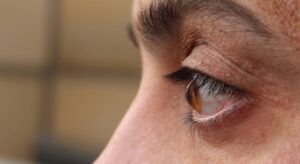
Keratoconus is a progressive eye condition where the normally round cornea becomes thinner and cone-shaped over time. This abnormal shape prevents light from focusing properly on the retina, leading to blurry, distorted, or double vision. While it can develop gradually, it’s important to understand how the condition progresses, especially if you’re starting to notice your vision getting worse.
How does Keratoconus progress?
- Early Stages: Initially, you may experience minor changes in vision, such as “blurry eyesight” or “frequent prescription changes for glasses or contacts”. It can be mistaken for typical vision changes, so many people don’t realize it’s the beginning of Keratoconus.
- Middle Stages: As the condition advances, the cornea becomes more irregular and steeper, leading to greater vision distortion. At this point, glasses or contact lenses might not provide clear vision, and specialty lenses may be needed.
- Severe Stages: In the later stages, the cornea can become so thin and misshapen that it leads to more serious vision problems, such as scarring or extreme light sensitivity. In some cases, a corneal transplant may be needed if the condition becomes too severe.
While Keratoconus varies from person to person, the condition progresses over time, especially in teenagers and young adults. The good news is that with early detection and proper treatment, it’s possible to slow down or even stop the progression of the disease.
Signs That Your Keratoconus is Progressing – What to Look For
If you have Keratoconus, it’s important to be aware of the signs that the condition may be worsening. Here are a few key symptoms to watch out for:
- Blurred or distorted vision: Your vision may become increasingly unclear, even with glasses or contacts.
- Frequent prescription changes: If your prescription is changing frequently, it could be a sign of corneal thinning.
- Halos or glare around lights: You might notice bright lights appear blurry, especially at night.
- Increased sensitivity to light: Feeling more discomfort or sensitivity to light, even in normal conditions.
- Double vision: A sudden or worsening occurrence of double vision in one eye, even when using corrective lenses.
If you’re noticing any of these symptoms, it’s important to get an eye exam right away. Early intervention can help manage the condition and prevent it from progressing further.
What Causes Keratoconus to Progress?
Here are some practical reasons that contribute to the progression of Keratoconus:
- Genetics
- Frequent eye rubbing
- Hormonal changes (puberty, pregnancy)
- Environmental factors (dust, UV exposure)
- Poor contact lens fit
- Underlying health conditions (allergies, asthma, eczema)
These factors can increase the risk of Keratoconus worsening. Regular eye exams and proper care are key to slowing its progression.
Can Keratoconus Be Stopped?

Yes, Keratoconus can be managed and its progression can often be slowed down or halted with the right treatment. Here are some of the most effective ways to stop the condition from getting worse:
- Corneal Crosslinking: This treatment strengthens the cornea and helps prevent further thinning, offering the most significant results in halting progression.
- Custom Contact Lenses: Specially designed rigid gas-permeable lenses or scleral lenses can provide better vision and protect the cornea from further damage.
- Bracing Techniques: Intacs or collagen crosslinking can help reshape and stabilize the cornea, reducing the progression of Keratoconus.
- Surgical Solutions: In some cases, if the condition is severe, procedures like corneal transplant may be considered.
By seeking early treatment and regular monitoring, the progression of Keratoconus can often be controlled, allowing patients to maintain good vision and quality of life.
How Corneal Crosslinking Can Help Stop Keratoconus Progression

Corneal Crosslinking is one of the most effective treatments available today to stop Keratoconus from progressing. Here’s how it works and why it’s considered a leading solution:
- Strengthens the Cornea: The treatment involves using UV light and a special riboflavin solution to strengthen the cornea. This helps prevent further thinning and irregularities in the corneal shape, which are characteristic of Keratoconus.
- Prevents Further Damage: By crosslinking the collagen fibers in the cornea, the procedure stabilizes the cornea and reduces the risk of progression. This is especially beneficial for young patients whose Keratoconus is still in the early to mid-stages.
- Improves Visual Stability: Though it doesn’t fully restore vision, Corneal Crosslinking significantly slows or stops the disease from worsening, providing visual stability and helping maintain clear vision.
- Minimally Invasive: The procedure is non-surgical, with no need for a corneal flap or major incisions. It’s generally well-tolerated, and recovery is relatively quick.
- Long-Term Solution: Once the cornea is strengthened through crosslinking, the effects are long-lasting, offering a long-term solution for those at risk of further corneal thinning.
For those with Keratoconus, Corneal Crosslinking is a proven method to prevent the condition from worsening and offers hope for maintaining eye health.
Can Lifestyle Changes Help Slow Keratoconus Progression?
Yes, certain lifestyle changes can help manage Keratoconus and potentially slow its progression. Here are some practical steps:
- Avoid rubbing your eyes
- Wear sunglasses or UV-blocking lenses to protect your eyes from harmful sun exposure.
- If you have from dry eyes, then use lubricating drops to keep your eyes hydrated and reduce irritation.
- Managing allergy symptoms can help prevent eye irritation and rubbing, which can worsen Keratoconus.
- Get you eyes checked regularly. This ensures early detection and intervention if the condition worsens.
- Avoid smoking as can contribute to eye dryness and irritation, so quitting may help reduce the risk of progression.
Making these simple lifestyle changes can play a role in protecting your eyes and managing Keratoconus effectively.
Conclusion
Keratoconus is a serious eye disease that can significantly impact your vision if left untreated. As it progresses, it can lead to blurred vision, distortion, and even permanent damage to the cornea. However, with early intervention and the right treatments, you can slow down or even stop its progression.
It’s essential to be proactive about your eye health, as timely treatment can help preserve your vision for the long term. Whether it’s Corneal Crosslinking, specialized lenses, or advanced surgeries, there are solutions to protect your eyes and keep your vision clear.
Suffering from eye diseases? Don’t wait for symptoms to worsen. Book your free appointment now at the Best Eye Hospital or call us on 9711116605 to start your journey towards clear vision!
Medically Reviewed By

Senior Eye Surgeon | LASIK, SMILE & Cataract Specialist

