
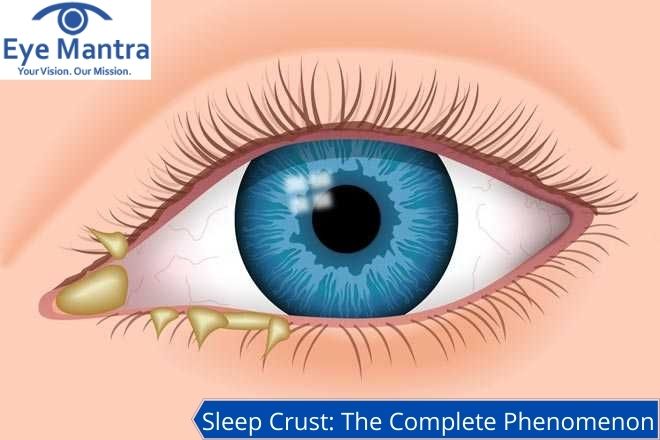
What Is Sleep Crust?
Sleep crust is the residue from the eye’s protective process. It is a crusty material commonly known as eye goop or eye gunk which is found in the corner of the eye after we wake up.
Sleep crust is mainly a residue mixture of mucus, exfoliated skin cells, oils, and tears produced from tear duct. It is harmless and a way of removing waste material from the eyes. You will usually find it on the inner corner of your eyes in the morning. It is advised to wipe it with clean water gently.
Normal Sleep Crust vs. Eye Infections
| Characteristic | Normal Sleep Crust | Potential Eye Infection |
| Color | Clear, Creamy, or Pale Yellow | Green, Deep Yellow, or Grey |
| Texture | Hard/Crusty or Thin/Watery | Thick, Sticky, or Stringy |
| Pain/Redness | None | Redness, Itching, or Swelling |
| Vision | Clears after blinking/washing | Blurred or sensitive to light |
How Sleep Crust Is Formed?
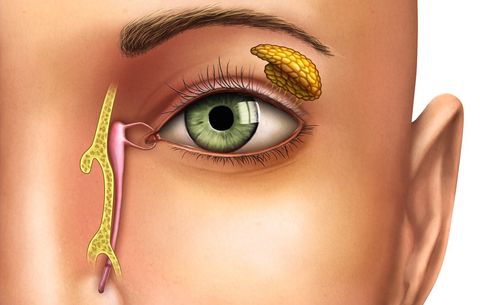
During the day, when we are awake, the normal mucus formed by the conjunctiva and other oils by the meibomian glands produced are flushed out by blinking.
A tear film that is made up of three layers keeps our eyes moist and healthy.
When we are asleep at night, we are unable to blink due to which the eye discharge from the different glands gets accumulated at the corner of the eye and along the eyelash line. Eye discharge can be hard, crust, sticky, and wet.
Is Formation of Sleep Crust Normal?
Finding sleep crusts in the corner of the eyes or along the eyelash line when we wake up is normal and everyone gets them. Eye crusts commonly look ochre yellow. They are hard and crusty and can even be clear, sticky, thin, or watery.
There are different types of sleep crusts and some are not the typical ones. Some of these sleep crusts are symptoms that we have some eye infection.
One of the conditions which causes sleep crusts in the morning is blepharitis.
It is the swelling of the eyelids and normally affects both the eyes. It is usually caused by the clogging of the oil glands near the base of the eyelids which leads to irritation and redness.
Different Kinds of Eye Discharge
In addition to sleep crusts, many different types of eye conditions can cause painful eye discharge and swelling.
Some of them include:
- Pink eye: Pink eye commonly known as conjunctivitis causes redness and inflammation. It also leads to greenish-yellow and white discharge. Pink eye is caused by bacteria, viruses, or and allergic reactions.
- Styes: Styes are blocked glands found in the eyelids. Eye Styes usually cause swelling or a lump. Styes are extremely painful and cause itchiness but they can go away with warm compresses.
- Eye injury: An eye injury like a corneal scratch can cause eye inflammation and itchiness.
- An object in the eye: Any small object stuck in the eye can irritate. The eyes become watery and tender and may be sensitive to light.
- Blepharitis- In blepharitis, there could be eye discharge along with inflammation and redness in the eyes.
Symptoms of Abnormal Eye Crusts
These are the symptoms of eye crusts that are not normal:
- Greenish yellow or white coloured discharge.
- Trouble in opening the eye due to sticky eyelids.
- Blurry vision.
- Light sensitive eyes.
- Redness.
- Swelling.
- Pain in the eyes.
If you are experiencing any of these symptoms along with eye crust then visit an eye doctor.
Can Sleep Crusts Be Removed at Home?

Common sleep crusts are easy to remove at home. If they seem hard, use water and wipe them gently with clean hands. You should not clean your eyes with dirty hands as it may cause inflammation and even infection.
Good eye hygiene can reduce eye sleep crust. These include:
- Remove eye makeup– Removing eye makeup before sleeping at night is necessary as it causes eye problems and increases the sleep crust.
- Maintain eye hygiene– Keeping eyes clean by wiping them with warm water is one of the measures you can take for maintaining hygiene. You should protect your eyes from germs and bacteria.
- Do not rub your eyes– Rubbing your eyes may feel nice but it is not it can severely harm your eyes. It affects your cornea, and if you had any eye surgery in the past, then you need to be extra careful.
- Avoid contact lenses– If you experience frequent sleep crusts avoid wearing contact lens.
Sleep Crust in Babies: Is It Normal?
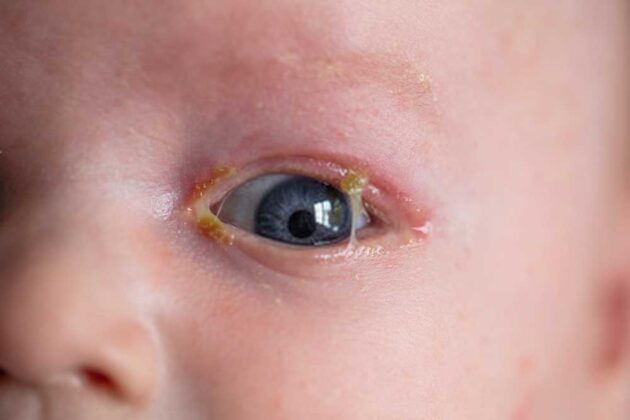
It can be startling to wake your baby and find their eyelashes “glued” shut with yellow or white crust. In newborns, this is commonly referred to as “sticky eye.” While it often looks like an infection, it is usually a harmless part of their development.
The Most Common Cause: Blocked Tear Ducts
Up to 20% of babies are born with narrow or partially blocked tear ducts (Dacryostenosis).
- The Good News: 90% of these cases resolve on their own by the time the baby turns one year old.
- Why it happens: The tear drainage system isn’t fully developed yet. Tears and mucus get trapped, dry out overnight, and form a crusty layer.
Normal vs. Warning Signs
| Normal Sticky Eye | Potential Infection (Conjunctivitis) |
| White or light yellow crust | Green or thick yellow pus |
| The eyeball is healthy and white | The white of the eye is pink or red |
| No swelling of the eyelids | Eyelids are puffy, red, or tender |
| Baby is comfortable and acting normal | Baby is fussy or seems in pain |
How to Safely Clean Baby Eye Crust at Home
Cleaning a baby’s eyes requires a very gentle touch to avoid irritation or spreading bacteria. Follow these steps:
- Wash Your Hands: Always start with clean hands to prevent introducing new germs.
- Use Sterile Water: Use “cooled boiled water”—water that has been boiled and allowed to reach a lukewarm temperature.
- The “Inside-Out” Wipe: Soak a clean cotton ball or soft cloth in the water. Gently wipe from the inner corner (near the nose) toward the outer corner.
- One Wipe, One Ball: Use a fresh cotton ball for each wipe and a separate one for each eye. This prevents cross-contamination.
- Tear Duct Massage: If your doctor has confirmed a blocked duct, you can gently massage the area between the eye and the side of the nose with a clean pinky finger to help open the passage.
Pro Tip: Never use soap, baby wipes, or “traditional” remedies like honey or breast milk in a baby’s eyes, as these can cause severe irritation or infection.
If you feel that you have any such symptoms you should contact our team at Eye mantra.
We have an excellent team of experienced and well-trained ophthalmologists who will help you in no time.
Visit our website Eyemantra. To book an appointment call +91-9711115191. Or mail us at eyemantra1@gmail.com. Our other services include Retina Surgery, Specs Removal, Cataract Surgery, and many more.
Medically Reviewed By

Senior Eye Surgeon | LASIK, SMILE & Cataract Specialist

