
What Are Photochromic Lenses?
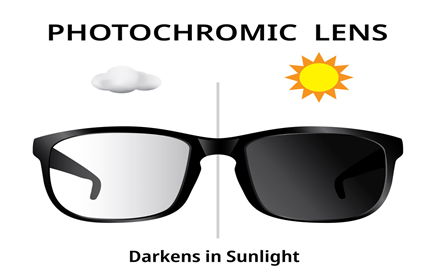
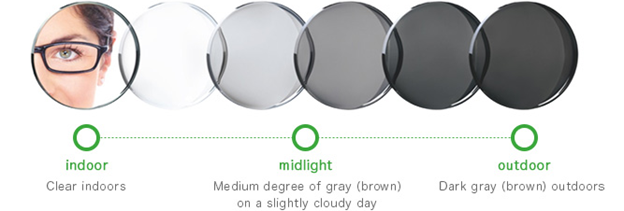
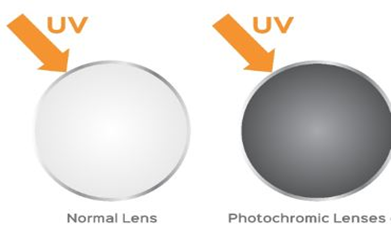
Photochromic lenses are just like normal lenses but they automatically become dark when we move in the sunlight. Ultraviolet rays coming from the sun affect the molecules present in the photochromic lenses therefore, these lenses change their colors. These lenses get darker in bright lights and vice-versa.
These lenses, therefore, provide the best vision in all lighting conditions. Transition is the best and very well-known brand of photochromic lenses therefore, these lenses are also known as “transition lenses”. The other names also which have been given to these lenses are:
- Adaptive lens
- Auto tinted lens
- Variable tint lens
Photochromic lenses and polarized lenses i.e. sunglasses are very different from each other as the sunglasses have a set tint that protects our eyes from glares but they are not changeable whereas the photochromic lenses easily adapt to the nature of the light present around and changes accordingly.
How Do Photochromic Lenses Work?
Regular sunglasses block out only a particular amount of wavelengths of light with polarization. But the photochromic lenses are carbon-based therefore, the molecules present in the lenses react to UV. This leads to a change in shape as the lenses absorb the light and it seems to look darker. The darkness of the lens depends on the amount of light present, the brighter the light, the darker the lenses. The darkening of the lens takes up to 30 seconds and it can take 2-5 minutes to get back to normal when an individual goes back to an indoor area.
As photochromic lenses protect our eyes from harmful UV rays, therefore, they are considered a safe option to keep our eyes healthy. These lenses are either made up of plastic, glass, or polycarbonate. Different kind of lens is prescribed to different people depending on the difficulties faced by them.
Types of Photochromic Lenses Available in India
Photochromic lenses come in a few different product tiers, mainly under the Transitions® brand, each suited to slightly different needs:
- Transitions Signature: The most common option, clear indoors, darkens to a medium tint outdoors. Good all-round choice for daily wear.
- Transitions XTRActive: Darkens even in the car (partially, behind windshields) and reacts to some indoor artificial light too, better for people who drive often.
- Transitions Vantage: Adds light polarization as it darkens, cutting glare more effectively, a good fit for outdoor sports or bright climates.
Besides Transitions, several other lens brands in India offer their own photochromic ranges in single-vision, bifocal, and progressive lens formats, so you’re not limited to one brand regardless of your prescription type.
Advantages of Photochromic Lenses
- Helps in reducing eye strain and eye damage by blocking up to 100% harmful UVA/ UVB light.
- These glasses are very convenient to carry as you do not need different glasses for different lighting conditions.
- These lenses also protect our eyes from the high risk of cataracts by blocking out as much light as possible.
- Photochromic lenses are cost-effective. It has the feature of both the lenses (normal lens and sunglasses).
- These lenses are available in different shades, tints, and styles suitable for your taste.
Disadvantages of Photochromic Lenses
- Photochromic lenses get darken when coming in contact with the sunlight, blocking your windshields. Therefore, they are risky to wear while driving.
- These lenses are also affected by the weather. This means that it takes more time to get dark in the winters.
- Some photochromic lenses are not polarized, leading to harsh glares of sunlight. Therefore, make sure you ask the doctor about all the details of the glasses that you wear.
Photochromic Lenses Price in India
The cost of photochromic lenses can vary based on the brand, index, and additional coatings (like anti-glare).
- Basic Photochromic Lenses: Generally start from ₹800 to ₹1,500.
- Mid-Range Branded Lenses: Standard branded options generally fall within the ₹2,000 to ₹3,500 range.
- Premium Brands (Crizal/Transitions): High-end lenses from market leaders like Crizal often range from ₹3,500 to ₹8,000+ depending on additional features.
Factors Influencing the Price
- Brand Reputation: Premium brands like Crizal are more expensive due to better clarity and faster darkening.
- Lens Thickness (Index): Thinner, high-index lenses for higher power prescriptions cost more.
- Extra Coatings: Add-ons like blue light filters or anti-reflective coatings can increase the price by ₹500–₹1,500.
- Transition Speed: Newer versions (like Gen 8) that adjust faster to light are priced higher than older photochromic lenses.
How Long Do Photochromic Lenses Last?
Most photochromic lenses last 2 to 3 years before their tint response starts to weaken. Over time, the lenses may darken less in sunlight or take longer to clear indoors, this is normal wear from repeated UV exposure, not a defect.
Ways to make your lenses last longer:
- Clean them with a proper lens cleaner and microfiber cloth, not your shirt
- Avoid leaving your glasses in a hot car or direct sunlight when not in use
- Store them in a case when not wearing them to prevent scratches
If your lenses are taking noticeably longer to darken or clear than they used to, it’s a good sign to get them checked or replaced.
Crizal Photochromic Lenses vs. Transitions: Comparing Top Brands
When searching for the best light-adaptive eyewear, two names dominate the market: Crizal and Transitions. Understanding the difference between them is key to choosing the right pair of glasses.
| Feature | Crizal Photochromic Lenses | Transitions® Brand (e.g., Gen 8) |
| Primary Function | Premium Coating: Protects the lens from glare, scratches, and smudges. | Lens Technology: Changes the tint of the lens based on UV exposure. |
| Indoor Clarity | Superior (Eliminates overhead light reflections). | Standard (Very clear, but can have a faint “base” tint). |
| Darkening Speed | Depends on the underlying photochromic tech used. | Best-in-class: Darkens in seconds when outdoors. |
| Fade-Back Speed | Enhanced clarity makes the transition feel smoother. | Industry Leader: Clears up faster than generic brands. |
| UV Protection | High E-SPF (protects from front and back reflections). | 100% UVA & UVB blockage. |
| Durability | Exceptional: Designed to resist dust, water, and oil. | Standard durability (unless paired with a coating). |
| Best For | Users who want the clearest vision and the most durable glasses. | Users who want the fastest-reacting “dark-to-light” lenses. |
Are Crizal Photochromic Lenses Worth It?
Crizal is a leader in the industry, often searched for its durability and clarity.
- Superior Clarity: Unlike generic lenses, Crizal photochromic lenses offer better smudge and scratch resistance.
- Faster Transition: They are known for darkening and clearing up faster than budget-friendly alternatives.
Who Should Use Photochromic Lenses?
Photochromic lenses can be worn throughout the day on the daily basis. They can be used just like normal eyeglasses. These lenses are beneficial to all and especially to those who continuously change from outdoors to indoors.
These lenses are highly recommended for children as they tend to spend much time playing outdoors, therefore it keeps their eyes safe from the sunlight.
How To Choose Photochromic Lenses?
Consult an eye care professional as he/she will guide and tell you all about the glasses which are prescribed to you. They will also help you to find the best eyeglasses that will work according to the requirement of your eyes. Consulting them might take some of your time from your busy schedule but it will surely lead to you being happier with the outcome.
These lenses are also known as “transitional lenses” as it adapts itself depending on the lighting conditions. It gets darken when exposed to bright light, protecting our eyes from harmful UV rays. There are certain benefits of using photochromic lenses over normal sunglasses as it adapts itself depending on the light conditions and you don’t need to carry multiple lenses with you. It has the property of both the normal lenses as well as the polarized lenses. But everything has its limits. These lenses are not safe to wear while driving as it blocks the windshields. These lenses are also affected by the weather which is again not a very good sign for eyeglasses.
Make sure you consult a doctor before choosing any lenses for yourself. As they will guide you about what is better for your eyes.
To know more about it, you can easily visit our website Eyemantra. If you are looking for other services like cataract surgery, Retina surgery or Ocuploplasty you can simply ring at +91-9711115191. Even you can simply mail us on eyemantra1@gmail.com.
Frequently Asked Questions
The photochromic lenses price typically starts at approximately ₹800 for entry-level options. However, premium branded lenses like Crizal photochromic lenses can cost between ₹3,500 and ₹7,000 depending on your prescription and lens thickness.
Common photochromic lenses disadvantages include their inability to darken inside cars (as windshields block UV rays) and their sensitivity to temperature, often taking longer to clear up in very cold weather.
Yes, “Transitions” is a popular brand name for photochromic lenses. While all Transitions lenses are photochromic, not all photochromic lenses are made by the Transitions brand.
Absolutely. Combining Crizal photochromic lenses allows you to enjoy the automatic tinting of light-sensitive lenses with the high-end anti-reflective and smudge-resistant properties Crizal is known for.
Most modern photochromic lenses naturally block a significant portion of harmful blue light from digital screens, making them an excellent dual-purpose choice for both outdoor sun protection and indoor computer use.
It depends on what you need. Polarized lenses cut glare more effectively, making them better for driving or being near water. Photochromic lenses automatically adapt to changing light, making them better for people who move between indoors and outdoors often. Some lenses, like Transitions
Vantage, combine both features.
Most photochromic lenses last 2 to 3 years before their tint response weakens. Proper care, avoiding heat exposure and cleaning them correctly, can help them last closer to the higher end of that range.
Related Links:
Quick Home Remedies for Pink Eye
Computer Effect on Eyes: Causes, Symptoms & Tips for Relief in Delhi
Medically Reviewed By

Senior Eye Surgeon | LASIK, SMILE & Cataract Specialist

